






Alopecia Areata Treatment in India

800+ Google Reviews
What Is Alopecia Areata?
Alopecia areata is an autoimmune condition where the body’s immune system mistakenly attacks healthy hair follicles, causing sudden and patchy hair loss. It can affect the scalp, beard, eyebrows, and eyelashes - and in some cases, body hair too. Unlike pattern baldness, alopecia areata can develop at any age and often appears without any warning.
The good news is that the hair follicles are not permanently destroyed. With the right treatment, most patients can see significant regrowth. At Musk Clinic, we offer a comprehensive approach to Alopecia Areata - combining advanced medical therapies with proven hair restoration techniques to help you regain your hair and your confidence.
Alopecia Areata Types
Alopecia Areata (Patchy)
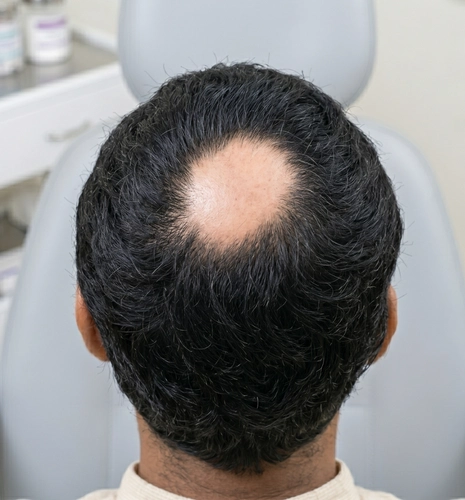
The most common form - one or more round, smooth bald patches on the scalp or beard. Patches are typically coin-sized and can appear suddenly.
Alopecia Totalis
Hair loss spreads to cover the entire scalp, resulting in complete baldness on the head while eyebrows and lashes may remain.
Alopecia Universalis
The most severe form - total hair loss across the scalp, eyebrows, eyelashes, and entire body hair.
Alopecia Barbae
Affects the beard area in men, causing round or irregular patches of hair loss on the face and jawline.
Diffuse Alopecia Areata
Widespread thinning across the entire scalp rather than defined patches, making it harder to diagnose clinically.
Ophiasis Alopecia
Hair loss follows a band-like pattern along the sides and back of the scalp - often more resistant to treatment.
What Happens If You Have an Alopecia Areata?
Understanding what alopecia areata does to your hair and body helps you recognize the signs early and take the right action.
- Sudden Patchy Hair Loss: Hair falls out in round, smooth patches on the scalp, beard, eyebrows, or lashes - often appearing overnight.
- Regrowth Can Happen - Then Relapse: Hair may grow back on its own, but without treatment, new patches can appear elsewhere. This cycle of regrowth and relapse is common.
- Follicles Remain Alive: The hair follicles are not destroyed. They are simply dormant. This means significant regrowth is possible with the right medical intervention.
- Emotional and Psychological Impact: The sudden, unpredictable nature of hair loss can cause significant anxiety, self-consciousness, and reduced confidence.
- Risk of Spreading: Without management, alopecia areata can progress from a few patches to alopecia totalis or universalis affecting the entire body.
- Associated Health Conditions: Alopecia areata is linked to other autoimmune conditions like thyroid disorders and vitamins, making a full health evaluation important.
Symptoms and Causes
- Round or oval bald patches: Smooth, clearly defined patches on the scalp, beard, eyebrows, or eyelashes with normal-looking skin underneath.
- Exclamation mark hairs: Short, broken hairs that taper at the base, visible at the edges of bald patches - a classic diagnostic indicator.
- Nail changes: Pitting, ridging, or brittleness of the fingernails or toenails, which can appear alongside or before hair loss.
- Tingling or itching: A mild tingling, burning, or itching sensation in an area just before a new bald patch appears.
- Rapid spreading: Bald patches can multiply or expand quickly within days or weeks, especially during a relapse episode.
- Autoimmune Response: The immune system mistakenly targets hair follicles as foreign, disrupting the natural growth cycle and causing follicles to go dormant.
- Genetics: A family history of alopecia areata or other autoimmune conditions significantly increases the risk of developing the condition.
- Stress and Trauma: Physical or emotional stress can trigger a first episode or cause a relapse in those who are genetically predisposed.
- Hormonal Changes: Shifts in hormone levels — particularly during pregnancy, thyroid disorders, or menopause — may act as triggers.
- Viral Infections: In some cases, a viral illness has been reported to precede the onset of alopecia areata, suggesting an immune connection.
- Other Autoimmune Conditions: People with vitiligo, rheumatoid arthritis, Type 1 diabetes, or lupus have a higher risk of developing alopecia areata.
Who Is an Ideal Candidate for Alopecia Areata Treatment?
To be considered an ideal candidate, you should generally meet the following criteria:

Patchy or Early-Stage Hair Loss

Good Overall Health

Realistic Expectations
Treatments for Alopecia Areata
- Corticosteroid Injections: Injected directly into the scalp to suppress the autoimmune attack on follicles and stimulate regrowth - the most common first-line treatment.
- Topical Minoxidil : Applied to affected areas to improve blood flow to dormant follicles and promote hair growth, often alongside other therapies.
- Platelet-Rich Plasma (PRP) Therapy: Growth factors from your own blood are injected into the scalp to reactivate dormant follicles and accelerate regrowth.
- GFC (Growth Factor Concentrate) Therapy: An advanced form of PRP delivering a higher concentration of growth factors for faster, denser results in fewer sessions.
- Topical Immunotherapy (DPCP/SADBE) : Redirects the immune response away from hair follicles through a controlled, mild scalp reaction.
- JAK Inhibitors (Oral or Topical): Newer medications that block the specific immune pathway responsible for follicle attacks - effective for moderate-to-severe cases.
- Hair Transplant (FUE): For patients with stable alopecia areata in remission, FUE restores density with permanent, natural-looking results.
Ready to Treat Your Alopecia Areata?
What Should You Know Before Your Alopecia Areata Treatment?
A Step-by-Step Look at Alopecia Treatment Process

Consultation and Diagnosis

Personalized Treatment Plan

In-Clinic Treatment Sessions

Monitoring and Progress Review
How Alopecia Areata Hair Loss and Hair Thinning Progress Over Time
| Stage | What Happens |
|---|---|
| Early Stage | One or two small, smooth patches appear on the scalp or beard - typically coin-sized. Exclamation mark hairs may be visible at patch edges. |
| Progressive Stage | Existing patches grow larger, and new patches develop. Regrowth may occur in some areas while fresh loss appears in others. |
| Alopecia Totalis | Hair loss covers the entire scalp. Eyebrows and eyelashes may still be present. This stage requires more aggressive medical management. |
| Alopecia Universalis | Complete hair loss across the entire body - scalp, eyebrows, eyelashes, and body hair are all affected. |
| Remission | The immune attack slows or stops, and spontaneous regrowth may occur. This is the ideal window for advanced treatments or hair restoration. |
Your Hair Recovery Journey with Musk Clinic
Your first in-clinic session is complete. Some mild redness or sensitivity on the scalp is normal and settles within a day or two. Your follicles are responding.
Existing hair shedding slows down. Scalp health visibly improves. The immune response begins to calm as your treatment protocol takes effect.
Fine; new hairs begin to emerge in previously bald patches. Hair may initially appear light and thin — this is completely normal and a positive sign.
Regrowth becomes more noticeable. Patches begin to fill in, and hair texture starts to thicken and strengthen with each passing week.
Hair density improves considerably. Most patients notice a dramatic reduction in visible patches and a significant boost in confidence.
Your full, natural-looking results are visible. Hair has matured in thickness and density — giving you the complete, lasting regrowth you've been waiting for.
Success Rate of Alopecia Areata Treatment in India?
Alopecia areata treatment in India shows highly positive outcomes, especially in early-stage and patchy cases managed with prompt medical care. Success depends on several factors, including the severity of the condition, duration of hair loss, immune response, treatment method used, and the skill of the treating specialist.
Many patients with mild to moderate alopecia areata respond well to treatments such as corticosteroid therapy, PRP, immunotherapy, and advanced regenerative methods. However, extensive or recurrent cases may require longer-term care and follow-up.
At Musk Clinic, we focus on custom alopecia areata treatment plans based on each patient’s scalp condition, triggers, and overall health profile. Our goal is to deliver effective, medically guided solutions that support long-term hair regrowth and better patient satisfaction.
Cost of Alopecia Areata Treatment in India?
The price of alopecia areata treatment in India typically depends on the type of therapy recommended, the number of sessions required, and whether a surgical procedure is involved.
Musk Clinic is one of the top alopecia areata treatment clinics in India, offering the most advanced and effective hair loss solutions available.
The affordability, combined with the availability of skilled specialists and world-class facilities, has made us the preferred destination for alopecia areata treatment - attracting patients from across India and around the world.
Know Your Alopecia Areata Cost Today
Factors That Decide the Cost of Alopecia Areata Treatment

Type and Severity of Hair Loss

Treatment Protocol Chosen

Clinic and Doctor Experience

Number of Sessions Required
Ethical Considerations in Treating Alopecia Areata
Patients deserve ethical care during Alopecia Areata Treatment procedures. They should expect:

Expert-Only Treatment

Informed Consent

Global Standards of Care

Transparent Communication
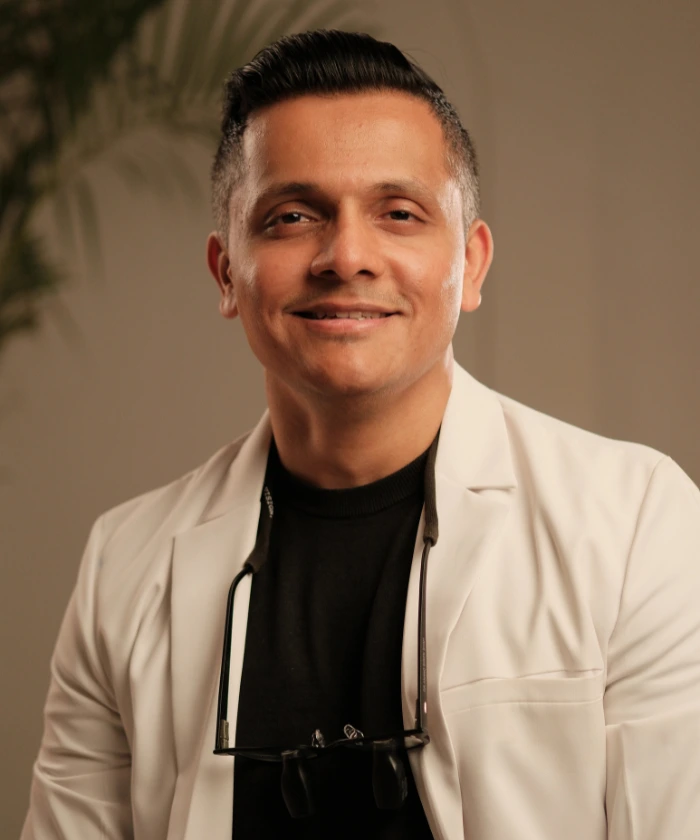
Dr. Anand Shah: The Surgeon Behind Artas 9x Robotic Hair Transplant
Dr Anand B. Shah, is a board-certified Maxillofacial & Craniofacial surgeon who is highly skilled in cosmetic facial and hair restoration surgery and has exclusively practised the same, internationally and nationally. His career span has been marked with passionate and focused learning, keen and industrious training and in-depth guidance by some of the world’s best leading experts in the field of Hair Restoration. Following his post-graduation, Dr Shah underwent a highly reputed fellowship in Craniofacial Surgery under GCCRI which is affiliated with DCKH (Deutsche Cleft Kinder Hilfe), Germany. It was during his fellowship tenure that Dr Anand developed a keen interest in Hair Restoration Surgery under the esteemed guidance of fellowship director Dr Shyam Sheth.
He underwent a surgical preceptorship in orthognathic surgery from ‘UZ Brussel’ University, Belgium under Dr Maurice Mommaerts.
Read MoreRecognized Physician Memberships



Recognized By




Why Choose Musk Clinic?

Real People. Real Care. Real Results.
At Musk Clinic, excellence is never a solo effort.
We are a team of skilled doctors, experienced surgeons, certified therapists, and compassionate staff—working together to deliver world-class care in Robotic Hair Transplants, Advanced Skin Treatments, and Body Aesthetics.
With cutting-edge technology and a shared vision of delivering results with care, our team ensures every patient feels confident, comfortable, and cared for at every step of their transformation journey.
When you choose Musk Clinic, you're not just choosing a treatment—you're choosing a team that's committed to your well-being and success.