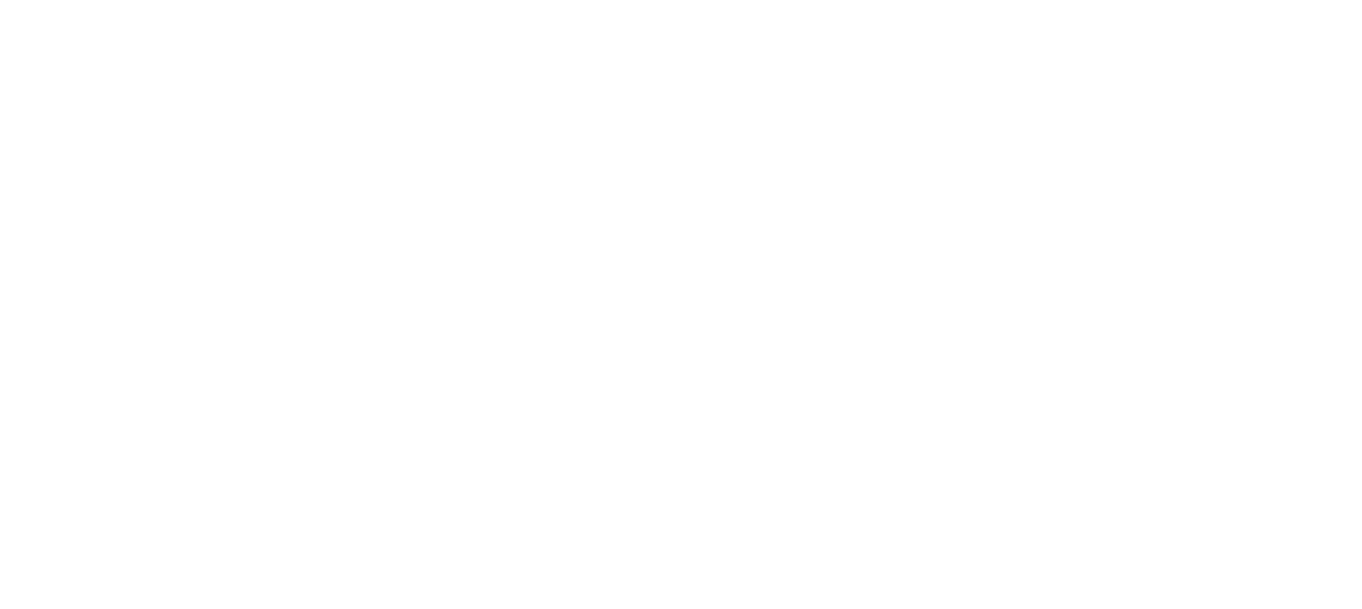







UK vs India for Hair Transplant: Cost, FUE, Robotic Options & What to Compare
 By Dr. Anand Shah
 Introduction
For someone in the UK comparing a hair transplant at home with treatment in India, price is usually the first difference they notice. But a useful comparison also has to cover graft requirements, the FUE technique being offered, whether robotic assistance is relevant, surgeon involvement, travel, early recovery and follow-up once you are back in the UK.
The UK has an established private hair transplant market, while India can offer a different cost structure and access to a wide range of hair restoration techniques. Neither country is automatically the better choice. The better option is the one that gives you a medically appropriate plan, realistic graft strategy, qualified surgical oversight and a follow-up pathway you can actually use.
Musk Clinic is located in Ahmedabad, India. It does not operate a hair transplant clinic in the United Kingdom. This guide is for UK-based patients comparing the two routes before deciding whether international treatment is worth considering.
Key Takeaways
- The UK price range is wide: The NHS states that a hair transplant in the UK can cost from £1,000 to £30,000 depending on hair loss, procedure type and the clinic team.
- Compare graft plans before prices: A 1,500-graft hairline procedure should not be compared with a 3,000-graft hairline-and-crown plan simply because both are called FUE.
- Robotic FUE is still FUE: Robotic systems can assist parts of follicular-unit extraction, but technology does not replace diagnosis, donor planning, hairline design or clinical judgement.
- India adds travel costs: Flights, visa requirements, accommodation, local transport and extra recovery time should be added to the procedure quote.
- Aftercare changes with distance: UK treatment can make in-person follow-up easier, while India treatment needs a clearly defined remote follow-up and complication plan.
- Cheaper does not mean equivalent: Ask who performs the key surgical steps, how the donor area is protected, what is included in the quote and what happens if another session is needed.
- Travel should follow medical planning: Establish likely graft needs and treatment suitability before booking flights or arranging leave from work.
- The decision is individual: Staying in the UK may suit some patients better, while treatment in Ahmedabad may be worth comparing for others depending on priorities and clinical suitability.
How Does Hair Transplant Cost in the UK Compare with India?
The NHS states that a hair transplant in the UK can cost anywhere from £1,000 to £30,000. That broad range shows why country-level averages are not enough to make a treatment decision.
A UK quote and an India quote may differ because of graft count, treatment area, technique, surgeon fees, staffing, facility costs, technology, follow-up structure and local operating costs. The India quote may be lower at the procedure level, but a UK patient also has to account for the international trip.
For Musk Clinic, there is no single fixed price for a UK patient. A personalised quote should follow assessment of the donor area, hair-loss pattern, likely graft requirement and the technique being considered.
| Cost Factor | Treatment in the UK | Treatment in India from the UK |
|---|---|---|
| Procedure Price | NHS cites a broad UK range of £1,000 to £30,000 | Personalised quote based on grafts, technique and complexity |
| Flights | Usually not required for local treatment | Return UK-India airfare required |
| Visa / Entry | Not relevant for domestic UK treatment | Valid India entry permission or OCI status must be confirmed |
| Accommodation | Often limited if treated near home | Ahmedabad stay should be budgeted |
| Time Away from Work | Driven mainly by surgery and recovery | Includes surgery, recovery and international travel |
| In-Person Follow-Up | Usually easier to arrange locally | Requires planned reviews in India plus remote follow-up from the UK |
| Unexpected Care | Local access may be simpler | UK-based care after return may create additional cost or coordination |
| Exchange Rate | Paid in GBP | Currency conversion can affect the final GBP cost |
Bottom Line: Do not compare a UK clinic price with an India surgery-only figure. Compare two complete, like-for-like treatment plans and then add the travel and follow-up costs that apply to the India route.
Why Can Hair Transplant Pricing Differ So Much?
Hair transplant pricing changes because a transplant is not a standard product. Two patients can have the same diagnosis of pattern hair loss and still need very different graft numbers, donor strategies, hairline designs and surgical time.
The final quote may be influenced by:
- Number of grafts required
- Hairline-only treatment versus hairline, mid-scalp and crown coverage
- Donor density and follicle quality
- Previous transplant surgery or scar tissue
- Manual FUE, robotic-assisted FUE or FUT where appropriate
- Whether beard or body donor hair is being considered
- Number of sessions
- Who performs and supervises the surgical steps
- Facility, staffing and technology costs
- What medicines, reviews or postoperative care are included
A lower quote can simply represent fewer grafts or fewer included services. A higher quote can reflect a larger plan or higher operating costs, but it does not automatically prove higher clinical quality. Ask for the plan behind the price.
Is Hair Transplant Treatment Available on the NHS?
Hair transplantation is generally a private, self-funded cosmetic procedure in the UK. The NHS hair transplant guidance states that hair transplantation is not available on the NHS because it is cosmetic surgery.
This means patients comparing the UK with India are usually comparing two private-pay pathways. The practical question is therefore not only “Which country is cheaper?” but “What do I receive for the total amount I will spend?”
What Should You Compare When Choosing a Hair Transplant in the UK?
If you are considering treatment in the UK, use the same clinical checklist you would apply to an overseas clinic. Location makes follow-up easier, but it does not remove the need to evaluate the surgeon, donor plan and proposed technique.
Who Is Responsible for the Surgical Plan?
Ask who assesses your donor area, designs the hairline, decides the graft number, performs or supervises extraction, creates recipient sites and oversees implantation. The label on the package matters less than knowing who is clinically accountable for each step.
How Is the Clinic and Doctor Regulated?
For treatment in England, the NHS advises patients to check whether the clinic is registered with the Care Quality Commission and whether the doctor is appropriately registered. Patients elsewhere in the UK should check the relevant local regulator and professional registration.
Is the Graft Estimate Explained?
The quote should explain why a specific number of grafts is proposed and which zones will be treated. Ask how much donor reserve is expected to remain for possible future hair loss.
What Follow-Up Is Included?
Clarify early wound checks, washing guidance, medicine questions, urgent contact arrangements and the point at which the clinic evaluates growth and final outcome. A local clinic can be convenient only if its follow-up process is actually accessible.
What Is FUE, and Is FUE in India Different from FUE in the UK?
FUE, or follicular unit extraction, is a method of harvesting individual follicular units from the donor area. The NHS describes FUE as removing individual grafts one by one before placing them into recipient sites.
The basic principle is the same whether FUE is performed in the UK or India. What can differ is the extraction device, punch selection, surgeon involvement, donor-area planning, graft handling, recipient-site design, staffing model and aftercare.
This is why “FUE in India” versus “FUE in the UK” is too broad a comparison. A more useful question is whether the two clinics are proposing a comparable graft plan and whether you understand how the procedure will actually be performed.
What Is Robotic FUE, and How Does It Compare with Manual FUE?
Robotic FUE is not a completely separate category of hair transplantation. It is FUE in which a robotic system assists defined parts of follicular-unit harvesting and planning. Manual FUE relies more heavily on handheld extraction by the surgical team.
Musk Clinic offers ARTAS 9X robotic hair restoration in Ahmedabad. Its current treatment information describes ARTAS as a physician-controlled, technology-assisted FUE system that uses imaging and mapping to help identify and harvest follicular units. Suitability still depends on donor characteristics, hair type, hair-loss pattern and the overall restoration plan
| Comparison Point | Manual FUE | Robotic-Assisted FUE |
|---|---|---|
| Core Method | Individual follicles are extracted using handheld tools | Individual follicles are extracted with robotic assistance for defined steps |
| Planning | Depends on clinical examination and surgeon strategy | Still depends on clinical examination and surgeon strategy |
| Follicle Selection | Clinician selects grafts during extraction | Imaging and algorithms can assist follicle identification and selection |
| Hairline Design | Requires aesthetic and clinical judgement | Still requires aesthetic and clinical judgement |
| Donor Management | Depends on extraction pattern and restraint | Technology can assist extraction consistency, but donor strategy remains clinical |
| Suitability | Can suit a wide range of candidates depending on technique and surgeon assessment | Depends on scalp, hair characteristics and system-specific suitability |
| Cost | Varies by graft count, clinic and team | May carry a different technology cost depending on clinic |
| Key Question | Who is performing the procedure and how is donor safety protected? | How is the robot used, who controls it and why is it appropriate for this case? |
Bottom Line: A robot can be a useful surgical tool, but it should not be treated as a substitute for diagnosis, donor planning, hairline design or physician oversight.
Should a UK Patient Choose Robotic FUE Just Because It Is Available in India?
No. Technology should be selected because it fits the patient, not because it sounds more advanced in an advertisement. Some patients may be suitable for robotic-assisted FUE, while others may be better served by manual FUE, FUT or a non-surgical hair-loss plan.
Before choosing robotic FUE, ask:
- • Why is robotic-assisted FUE suitable for my donor area?
- Which parts of my procedure will use the robotic system?
- Who controls and supervises the system?
- Will recipient-site creation and implantation be robotic, manual or a combination?
- Does my hair type or scalp condition affect suitability?
- Would manual FUE or FUT preserve donor capacity better in my case?
- How does the proposed technique affect cost, procedure time and aftercare?
A clinic should be able to explain why a technique is being recommended without presenting the technology itself as a guarantee of growth or density.
Should You Compare UK and India Hair Transplants by Cost per Graft?
Cost per graft can help you understand how a quotation was calculated, but it should not become the main measure of value. Grafts are a clinical resource taken from a limited donor area, not simply units to be purchased in the highest possible number.
Two 2,500-graft quotes can differ in important ways:
- Which donor zones will be harvested
- How extraction is distributed to avoid visible thinning
- How many single-hair grafts are reserved for the frontal hairline
- How multi-hair grafts are used for visual density
- Whether the crown is included
- How the hairline accounts for future loss
- Who creates the recipient sites
- How grafts are handled between extraction and implantation
- What the clinic recommends if more hair is lost later
A written estimate should therefore show the proposed graft range, treatment areas, technique, inclusions, exclusions and follow-up plan. If one quote is dramatically cheaper, first determine whether it is actually proposing the same operation.
How Should UK-Based Patients Calculate the Real Cost of Treatment in India?
Start with the clinical quote, then build a separate travel and recovery budget. This prevents the common mistake of comparing a UK all-in procedure with an India surgery-only headline price.
Treatment Costs
- Hair transplant procedure
- Preoperative assessment or investigations if required
- Medicines if separately charged
- Follow-up reviews
- Any planned adjunct treatment that is not included in the surgery quote
Travel Costs
- Return flights from the UK
- Checked baggage if required
- Airport transfers
- Travel insurance or specialist cover where appropriate
- Flexible ticket costs if recovery delays your return
Ahmedabad Stay
- Hotel or other accommodation
- Meals
- Local transport
- Companion expenses if someone travels with you
- Additional nights if the surgeon advises a longer stay
Time and Recovery Costs
- Annual leave or unpaid time away from work
- Time required for long-haul travel
- Extra recovery days before returning to the office
- Potential local medical review in the UK if an unexpected issue develops
The most useful GBP comparison is the complete door-to-door cost of each route, not the surgery fee viewed in isolation.
What Visa and Entry Requirements Should UK Patients Check Before Travelling to India?
British citizens should confirm current Indian entry requirements before booking surgery or flights. The official Government of India e-Visa portal lists the United Kingdom among eligible e-Visa nationalities and includes medical treatment within the e-Visa framework. The exact category and documents should be checked for the purpose of your trip.
The current GOV.UK India entry guidance also advises British passport holders to check passport validity, visa or OCI requirements and the current e-arrival process.
Rules can change. Do not rely on an old clinic article, a travel agent or a screenshot of a previous visa. Check the official portals again close to travel.
What Should You Send to the Clinic Before Booking Flights?
A remote assessment should happen before travel arrangements are made. The goal is not to promise a final graft number from photographs, but to decide whether travelling for a face-to-face assessment and possible surgery is reasonable.
You may be asked for:
- Front hairline photograph
- Both temple views
- Top and mid-scalp photograph
- Crown view
- Back donor-area photograph
- Side donor-area views
- Age and hair-loss history
- Family history of hair loss
- Previous medications or non-surgical treatments
- Previous transplant details
- Current medicines and relevant medical conditions
- Smoking or nicotine history
- Your priorities for hairline, density and coverage
Musk Clinic’s medical tourism programme describes online consultation and international-patient planning before travel. Photographs can support preliminary planning, but the final treatment decision should follow an in-person examination.
How Should Recovery Affect a UK-to-India Hair Transplant Trip?
Recovery should shape the itinerary, not be squeezed into the shortest possible trip. The NHS hair transplant guidance notes that patients may need one to two weeks off work and should be particularly careful with transplanted grafts during the first two weeks.
That does not mean every international patient must stay in India for two weeks. It means return travel should be discussed with the treating surgeon based on the procedure, early healing and your individual situation.
A sensible plan should leave time for:
- Initial postoperative review
- Donor-area assessment
- Recipient-area review
- Instructions for washing and scalp care
- Checking swelling, redness or unexpected symptoms
- Reviewing medicines
- Confirming how to protect grafts during the journey
- Knowing who to contact after you return to the UK
The NHS advice on cosmetic surgery abroad emphasises planning aftercare and considering what would happen if complications occur after overseas treatment. This is particularly important when the clinic is a long-haul flight away.
What Should UK Patients Know About Insurance and Healthcare Abroad?
The NHS guidance on treatment abroad advises patients to research aftercare and ensure adequate insurance. Standard travel insurance may not cover planned treatment abroad, so the policy terms need to be checked carefully.
The current GOV.UK India health advice also recommends checking healthcare access at the destination and having appropriate insurance for local treatment or unexpected medical evacuation.
Ask the clinic what happens if you need an unexpected review before flying home, and ask your insurer what is and is not covered if a problem develops because of planned surgery.
How Does Follow-Up Work After You Return to the UK?
A good international treatment plan should define follow-up before surgery. Routine growth monitoring can often be supported by photographs or video reviews, but urgent or unexpected problems may still need in-person assessment in the UK.
Before leaving Ahmedabad, confirm:
- When to send the first postoperative photographs
- When video consultations are planned
- Who to contact outside normal clinic hours
- Which symptoms need urgent medical review
- What medicines you are taking and for how long
- When normal washing, exercise and grooming can resume
- When your next formal progress review is due
- How the clinic assesses shedding, early growth and final result
Keep a copy of your procedure summary, graft number, technique, treatment areas, prescribed medicines, allergies, aftercare instructions and clinic contact details. This can help a UK clinician understand what was done if you need local medical assessment later.
When Might Treatment in the UK Be More Practical?
Staying in the UK may be the stronger option when convenience and local continuity of care outweigh the potential procedure-level cost difference.
- You strongly prefer in-person postoperative access to the original clinic
- International travel is difficult because of your health or mobility
- You cannot allocate enough time for treatment plus travel recovery
- Your employer or personal commitments make an India stay impractical
- You have complex health conditions that need local coordination
- The UK treatment plan fits your budget and clinical priorities
- You do not want to manage visas, flights, accommodation or overseas insurance
When Might India Be Worth Comparing?
India may be worth comparing when you are comfortable with international treatment and the full plan still makes sense after travel and follow-up are added.
- Procedure-level cost is an important consideration
- You already visit India or have family support there
- You have identified a surgeon and clinic whose plan you understand
- The proposed graft count and donor strategy are clearly explained
- You are specifically interested in a technique or technology available at the clinic
- You can allow enough recovery time before the return journey
- Remote follow-up and urgent-care arrangements are defined before surgery
Neither route is automatically better. The purpose of the comparison is to identify which plan gives you the right balance of clinical suitability, total cost, convenience and continuity of care.
What Should You Compare Before Choosing UK or India?
Use one checklist for both countries. If a clinic cannot answer these questions clearly, location and price should not make the decision for you.
Treatment Plan
- Why am I a suitable candidate for transplantation?
- What is my likely graft requirement?
- Which areas will be treated now?
- How much donor reserve should remain for future hair loss?
- Is medical treatment for ongoing native-hair loss also relevant?
Surgeon and Team
- Who assesses the donor area?
- Who designs the hairline?
- Who performs extraction?
- Who creates recipient sites?
- Who performs implantation?
- Who is responsible if there is a complication?
Technique
- Why is FUE, FUT or robotic-assisted FUE being recommended?
- What part of the procedure does the technology actually perform?
- What are the realistic limitations of this technique in my case?
Cost
- What is included in the written quote?
- What can be charged separately?
- Does the quote assume a fixed or estimated graft number?
- Could another session reasonably be needed?
Recovery and Follow-Up
- What should I expect during the first two weeks?
- When will I be reviewed?
- What happens if recovery is slower than expected?
- How are urgent problems handled after I return home?
- When will the clinic evaluate the final result?
Why Might UK-Based Patients Consider Musk Clinic in Ahmedabad?
Musk Clinic is based in Ahmedabad, Gujarat, and provides hair restoration for domestic and international patients. Its treatment options include manual FUE, FUT and ARTAS 9X robotic-assisted FUE where clinically suitable.
For someone comparing UK treatment with Ahmedabad, the relevant question is not simply whether India costs less. It is whether the clinic can establish a credible treatment plan before travel, explain the role of the chosen technique, protect the donor area and support follow-up after the patient returns home. Musk Clinic’s hair transplant results library includes documented cases with graft counts, techniques and treatment areas, including international patients. Individual results still vary and one case cannot predict another patient’s outcome.
Musk Clinic’s ARTAS information also positions the robot as a physician-controlled tool within a broader restoration plan. That distinction matters because robotic technology should support clinical judgement rather than replace it.
The Bottom Line
The UK-versus-India decision should begin with a clinical comparison, not a currency conversion. The UK offers the convenience of local treatment and easier in-person follow-up. India may offer a different procedure-level cost structure and, at selected clinics, access to options such as ARTAS robotic-assisted FUE.
For a fair comparison, make sure both clinics are discussing a similar graft requirement, the same treatment zones and a clearly explained technique. Then add flights, visa, accommodation, time away from work, recovery and follow-up to the India route.
If you are considering Musk Clinic from the UK, establish donor capacity, likely graft requirements and technique suitability before making travel arrangements. That gives you a treatment decision first and a travel decision second.
Frequently Asked Questions (FAQs)

Dr. Anand B. Shah
- 10 Years of Experience
Dr Anand B. Shah, is a board-certified Maxillofacial & Craniofacial surgeon who is highly skilled in cosmetic facial and hair restoration surgery and has exclusively practised the same, internationally and nationally.