




Autologous Exosome Treatment
Autologous Exosome Treatment in Ahmedabad
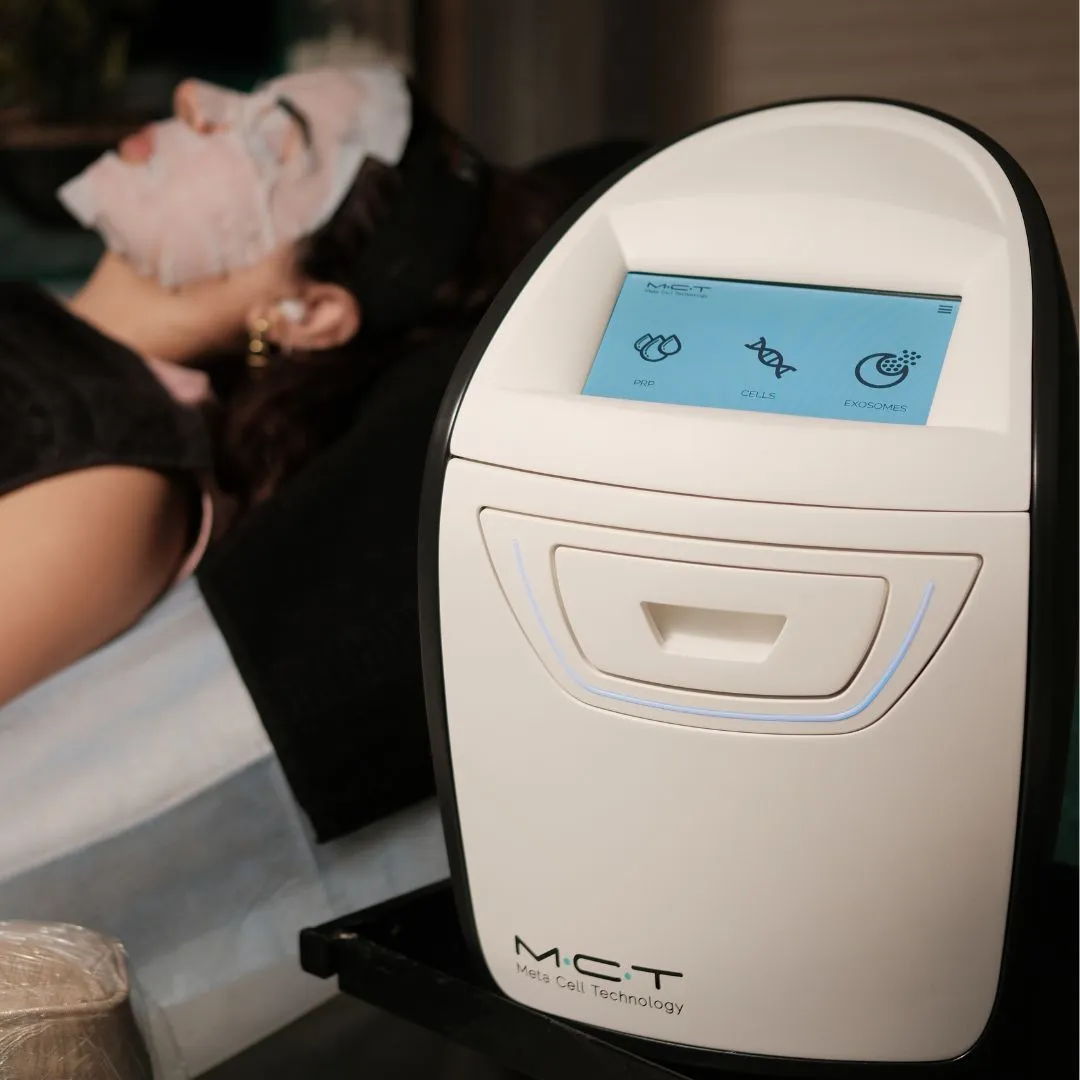
Autologous Exosome Treatment at Musk Clinic uses the patient's own platelet-rich plasma (PRP), processed with MCT (Meta Cell Technology) as part of a personalised skin-rejuvenation approach.
The treatment begins with a consultation and individual skin assessment. PRP is prepared from a small sample of the patient's blood and then undergoes an additional MCT processing step designed to promote the release of platelet-derived extracellular vesicles, including exosomes.
Treatment suitability, technique and expectations are determined individually by the treating clinician.
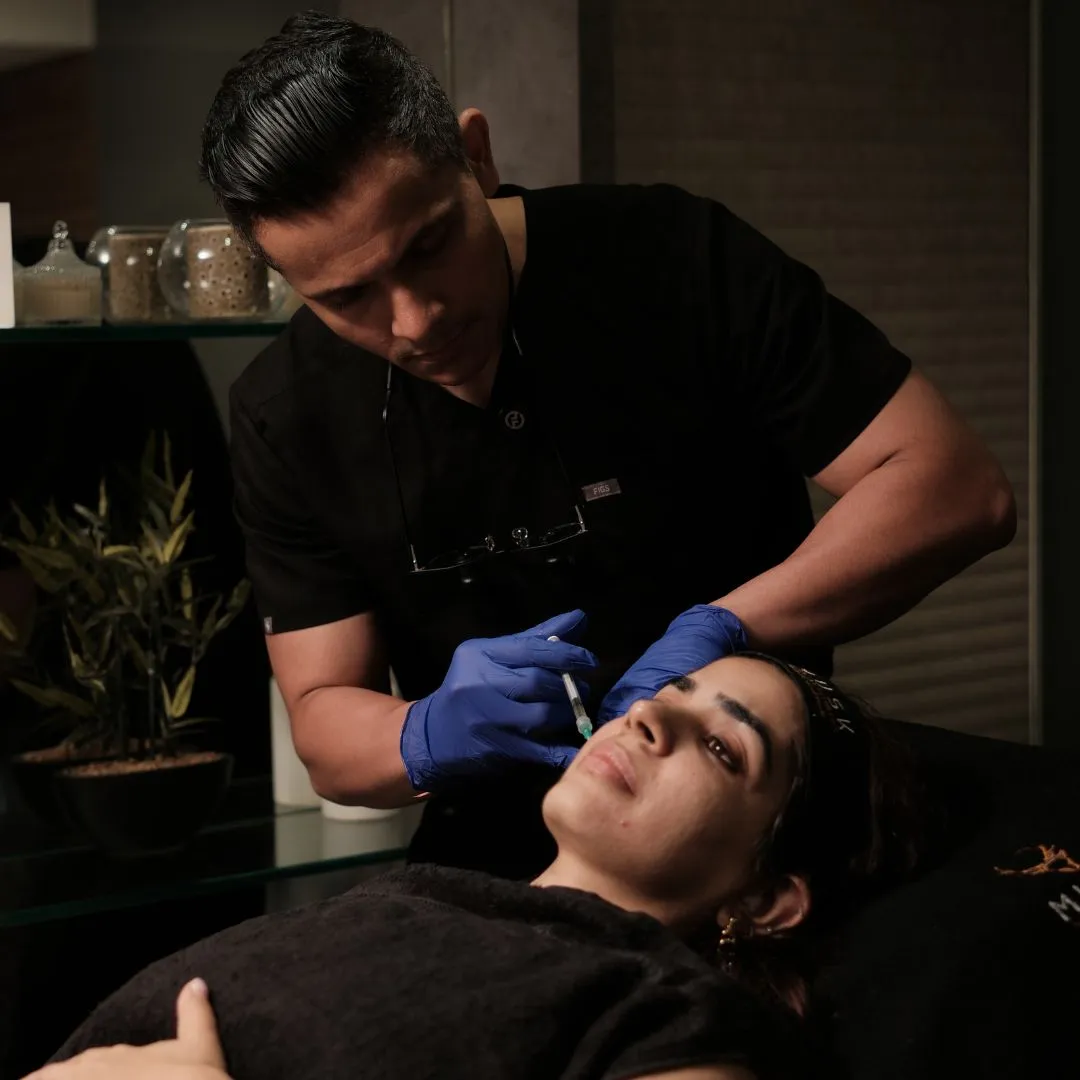
What Is Autologous Exosome Treatment?
Autologous Exosome Treatment is a regenerative aesthetic approach that starts with material derived from your own blood.
A blood sample is processed to prepare platelet-rich plasma, commonly known as PRP. The prepared PRP is then processed using MCT (Meta Cell Technology), which applies controlled light and temperature through a process known as photothermal biomodulation.
This additional processing step is designed to stimulate platelet activity and promote the release of platelet-derived extracellular vesicles, including exosomes, within the prepared PRP.
Because the starting material comes from the same patient, the preparation is described as autologous. It is different from treatments that use externally prepared exosome formulations.
How MCT Technology Works?
Meta Cell Technology adds a controlled processing stage after PRP has been prepared. The process can be understood in four broad steps:
Blood collection and PRP preparation
MCT processing
Photothermal biomodulation
Clinician-planned treatment
How Is MCT Different from Standard PRP?
Both standard PRP and MCT-based Autologous Exosome Treatment begin with platelet-rich plasma prepared from your own blood.
The main difference is the additional processing step. Standard PRP is prepared and then used according to the clinician's treatment protocol. With MCT, the prepared PRP undergoes photothermal biomodulation using controlled light and temperature before clinical use.
This additional step is designed to stimulate platelet activity and promote the release of platelet-derived extracellular vesicles, including exosomes.
MCT should therefore be understood as an additional processing approach applied to autologous PRP rather than a completely unrelated alternative to PRP.
What Skin Concerns May Be Considered?
Autologous Exosome Treatment may be considered as part of a personalised skin-rejuvenation plan for people concerned about changes in overall skin quality. Depending on individual assessment, treatment may be discussed for concerns such as:
- Fine lines and early signs of skin ageing
- Reduced skin firmness or elasticity
- Uneven or rough-looking skin texture
- Dull or tired-looking skin
- Changes in overall skin quality
- Skin that may benefit from a regenerative treatment approach
The treatment is not intended to guarantee correction of a specific concern. Suitability and realistic expectations should be discussed during consultation.
Benefits of Autologous Exosome Treatment
Potential benefits depend on individual response, treatment technique and skin condition. The treatment may be considered for the following reasons:
MCT Processing
Meta Cell Technology introduces an additional controlled light-and-temperature processing step to the prepared PRP.
Skin-Quality Focus
The treatment may support a broader skin-rejuvenation plan focused on texture, firmness and overall skin appearance.
Patient-Derived Preparation
The treatment begins with PRP prepared from your own blood.
Personalised Planning
Treatment is considered according to your skin concerns, medical history and aesthetic goals rather than a fixed treatment package.
Gradual Approach
Where changes occur, they are expected to develop progressively rather than create an immediate change in facial shape or volume.
Who May Be Suitable for Autologous Exosome Treatment?
Autologous Exosome Treatment may be considered for adults interested in a patient-derived approach to skin rejuvenation and improvement in overall skin quality. A clinician may consider factors such as:
- Your current skin condition and concerns
- Your medical history and medications
- Previous aesthetic treatments
- Your treatment goals and expectations
- Whether another skin treatment may be more appropriate
- Any active skin conditions or infections in the treatment area.
Autologous MCT vs Standard PRP vs External Exosome Treatments
These approaches are related to regenerative aesthetics but differ in their source and preparation. None should be presented as universally better than another.
| Aspect | Autologous MCT | Standard PRP | External Exosome Treatment |
|---|---|---|---|
| Starting Source | Patient's own PRP | Patient's own PRP | Prepared exosome formulation from an external source |
| Blood Draw | Yes | Yes | Usually not required for the exosome product itself |
| Additional MCT Processing | Yes | No | No |
| Core Approach | PRP receives an additional photothermal biomodulation step | Prepared PRP is used according to the treatment plan | Externally prepared exosome formulation is used according to its treatment protocol |
| Treatment Selection | Based on clinical assessment | Based on clinical assessment | Based on clinical assessment |
What to Expect During Treatment
The exact treatment plan is individual, but the overall process typically follows these stages:

Consultation and Skin Assessment
- Your skin concerns, medical history and goals are reviewed before treatment is considered.

Blood Collection and PRP Preparation
- A small blood sample is collected and processed to prepare platelet-rich plasma.

MCT Processing
- The prepared PRP undergoes controlled photothermal biomodulation using MCT Technology.

Treatment
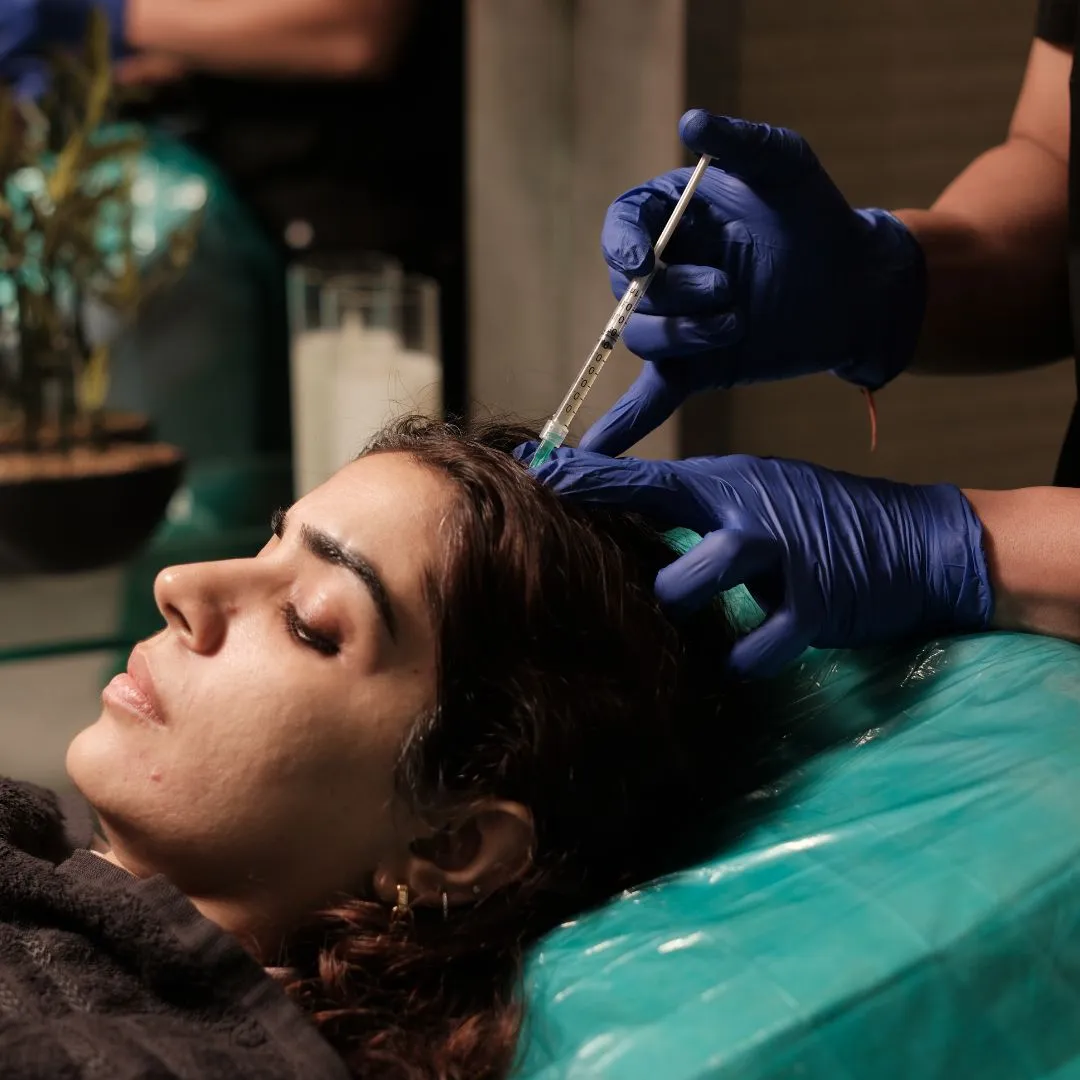
- The processed autologous preparation is used according to the approach selected by your treating clinician.

Aftercare Guidance
- You are given appropriate aftercare instructions based on the treatment technique and your individual needs.
Results, Treatment Sessions and Maintenance
There is no single treatment schedule that is appropriate for every patient.
The number and frequency of sessions may vary according to your skin condition, treatment goals, individual response and the clinician's treatment plan.
Where changes occur, they are generally expected to develop gradually rather than immediately. Skin response and the degree of visible improvement can vary between individuals.
Your clinician can recommend an appropriate treatment plan and discuss whether future maintenance treatments may be considered after assessing your response.
Recovery, Aftercare and Possible Side Effects
Recovery can vary according to the treatment technique, areas treated and individual response.
Depending on how the treatment is performed, temporary reactions such as redness, tenderness, swelling or bruising may occur around the treated area.
Your clinician will provide aftercare guidance suited to your treatment. Follow these instructions carefully and contact the clinic if you experience an unexpected or persistent reaction.
As with any aesthetic procedure, treatment suitability, possible side effects and individual risk factors should be discussed before proceeding.
What Does Current Research Say?
Research into platelet-derived extracellular vesicles, autologous exosomes and photothermally processed PRP is developing.
Early clinical research has explored MCT-processed PRP and autologous platelet-derived exosomes for facial skin rejuvenation, including changes in skin texture, fine lines and other measures of skin quality.
The available evidence is still evolving. Findings from early studies should not be interpreted as a guarantee that every patient will experience the same outcome or that MCT-based treatment is universally superior to standard PRP or other regenerative approaches.
Your treatment decision should therefore be based on individual assessment, realistic expectations and discussion with a qualified clinician.
Explore Whether Autologous Exosome Treatment Is Right for Your Skin
Why Choose Musk Clinic for Autologous Exosome Treatment?

Consultation-Led Assessment

Personalised Treatment Planning

Wider Skin-Rejuvenation Options
Meet the Specialist: Dr. Anand Shah
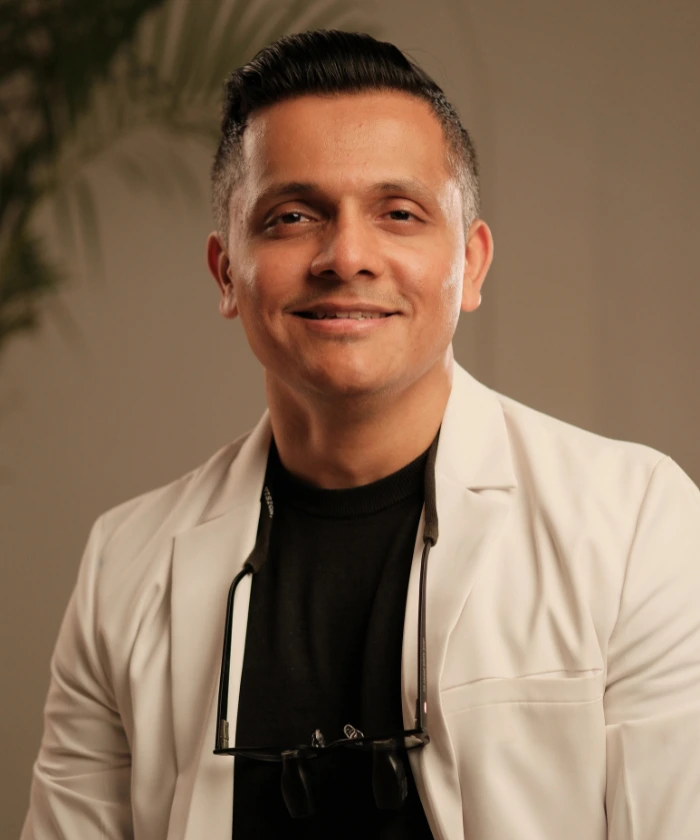
Dr Anand B. Shah, is a board-certified Maxillofacial & Craniofacial surgeon who is highly skilled in cosmetic facial and hair restoration surgery and has exclusively practised the same, internationally and nationally. His career span has been marked with passionate and focused learning, keen and industrious training and in-depth guidance by some of the world’s best leading experts in the field of Hair Restoration. Following his post-graduation, Dr Shah underwent a highly reputed fellowship in Craniofacial Surgery under GCCRI which is affiliated with DCKH (Deutsche Cleft Kinder Hilfe), Germany. It was during his fellowship tenure that Dr Anand developed a keen interest in Hair Restoration Surgery under the esteemed guidance of fellowship director Dr Shyam Sheth.
He underwent a surgical preceptorship in orthognathic surgery from ‘UZ Brussel’ University, Belgium under Dr Maurice Mommaerts.
Read MoreRecognized Physician Memberships

Recognized By


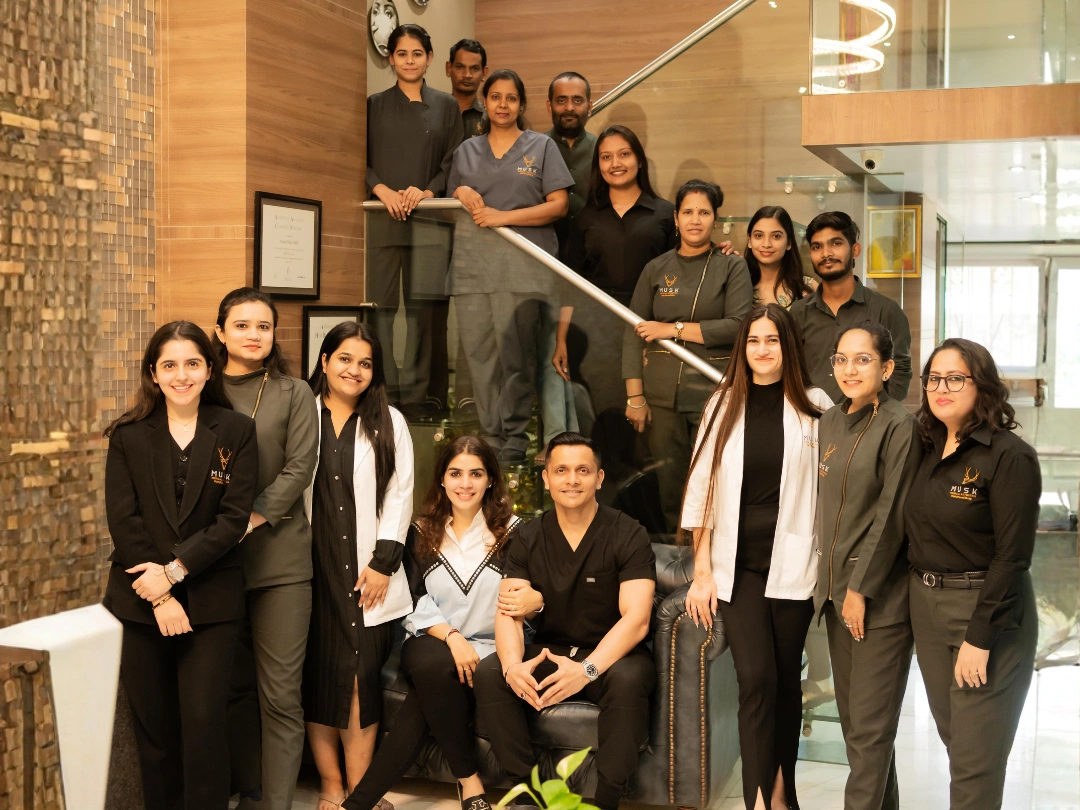
Real People. Real Care. Real Results.
At Musk Clinic, excellence is never a solo effort.
We are a team of skilled doctors, experienced surgeons, certified therapists, and compassionate staff—working together to deliver world-class care in Robotic Hair Transplants, Advanced Skin Treatments, and Body Aesthetics.
With cutting-edge technology and a shared vision of delivering results with care, our team ensures every patient feels confident, comfortable, and cared for at every step of their transformation journey.
When you choose Musk Clinic, you're not just choosing a treatment—you're choosing a team that's committed to your well-being and success.