






 By Dr. Anand Shah
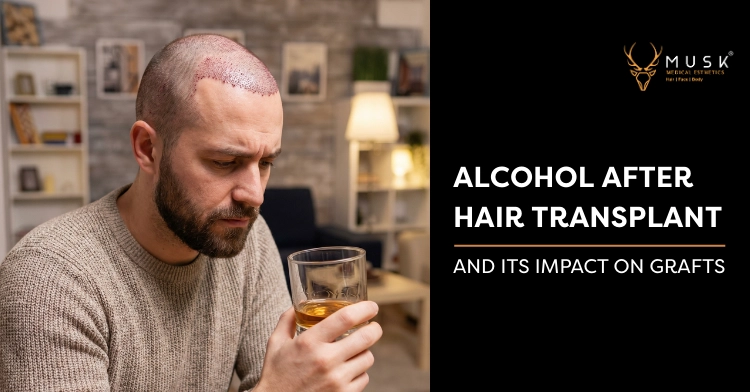
 If you have recently had a hair transplant or are planning one, you have probably been given a long list of dos and don’ts for recovery.
One instruction that often raises questions is avoiding alcohol.
For many people, alcohol is part of social life, celebrations, or routine relaxation, so it is natural to wonder how serious this restriction really is.
You might be asking yourself if one drink can really make a difference or if avoiding alcohol is just a precaution. The truth is that the days and weeks after a hair transplant are critical for graft survival.
Small lifestyle choices during this time can directly affect how well your grafts heal and how successful your final results will be.
A hair transplant is not just about the procedure itself. The recovery phase plays an equally important role. Newly implanted grafts are delicate and rely on proper blood supply, oxygen, and nutrients to survive.
Anything that interferes with these processes can increase the risk of poor growth or graft loss.
In this article, you will learn how the healing process works, how alcohol affects your body during recovery, and what risks alcohol can pose to newly implanted grafts.
What Happens Immediately After a Hair Transplant
A hair transplant may look simple on the surface, but at a biological level, your scalp goes through several important stages before the grafts become stable and start growing normally.
Right after the procedure, tiny grafts containing hair follicles are placed into small incisions in your scalp.
These grafts do not instantly connect to a blood supply.
In the first hours, they survive through a process called diffusion, where they absorb oxygen and nutrients from the surrounding tissue.
During this period, your body begins forming small clots around each graft. These clots help anchor the grafts in place and protect them from movement or infection. Scabs then start to form as part of the natural healing response.
This early phase is extremely delicate, and any disturbance can affect how well the grafts settle.
Because the grafts are not fully secured yet, maintaining stable conditions is critical.
This includes avoiding pressure, excessive movement, and anything that may increase bleeding or swelling.
How Alcohol Affects the Body During Healing
To understand why alcohol is discouraged after a hair transplant, it helps to look at how alcohol affects your body when it is trying to heal.
Alcohol does not target just one system. It influences circulation, inflammation, hydration, and immune function all at the same time.
During recovery, these effects can interfere with the delicate process that keeps grafts alive.
Alcohol and Blood Circulation
Alcohol causes blood vessels to widen, a process known as vasodilation.
While this may sound harmless, it can increase blood flow to the scalp in an uncontrolled way.
After a hair transplant, this can raise the risk of bleeding around the graft sites.
Increased bleeding can loosen newly implanted grafts or disrupt the small clots that help anchor them in place. This is especially risky during the first few days, when grafts are not yet firmly secured.
Alcohol can also affect blood pressure and clotting mechanisms.
These changes may slow the body’s ability to form stable clots, which are essential for protecting grafts during early healing.
Alcohol and Inflammation
Inflammation is a normal part of healing, but it needs to be controlled.
Alcohol can increase inflammatory markers in the body, which may lead to excessive swelling or redness in the scalp.
When inflammation is too high, healing can slow down. Excess swelling can place pressure on grafts and surrounding tissue, making it harder for blood vessels to connect properly. This can affect how well grafts receive oxygen and nutrients during the critical early phase.
Chronic or repeated alcohol intake during recovery can prolong inflammation, keeping the scalp in a stressed state longer than necessary.
Alcohol and Dehydration
Alcohol is a diuretic, which means it causes your body to lose more fluid.
Dehydration can negatively affect skin health and slow tissue repair.
Your scalp needs adequate hydration to support healing and maintain a healthy environment for grafts. Dry or dehydrated skin can become more irritated and may heal less efficiently. This can increase discomfort and delay the recovery process.
Together, these effects explain why alcohol is often restricted after surgery.
Alcohol After Hair Transplant: What Can Go Wrong?
When alcohol is consumed too soon after a hair transplant, it can interfere with several critical healing processes at the same time.
While not everyone who drinks will experience complications, the risk to graft survival and recovery increases during the early stages.
Understanding what can go wrong helps explain why surgeons strongly advise avoiding alcohol.
Increased Risk of Bleeding
One of the most immediate concerns with alcohol after a hair transplant is bleeding.
Alcohol thins the blood and widens blood vessels, which can make it harder for your body to control bleeding at the graft sites.
Even mild bleeding can be a problem during the first few days. Blood clots that form around the grafts help keep them in place. If these clots are disrupted, grafts can become loose or shift position. In some cases, grafts may be lost entirely.
Bleeding can also increase swelling, which may spread from the scalp to the forehead or around the eyes.
This swelling can add pressure to healing tissue and make recovery more uncomfortable.
Poor Graft Anchoring
In the early recovery phase, grafts are held in place mainly by the surrounding tissue and small clots.
They are not fully anchored yet. Alcohol-related bleeding or swelling can interfere with this process.
If grafts do not anchor properly, they may not establish a stable blood supply. Without proper blood flow, grafts struggle to survive and grow. Even if grafts remain in place, poor anchoring can reduce their chances of producing healthy hair later on.
This is why the first few days after surgery are often described as the most critical for graft survival.
Delayed Wound Healing
Alcohol can slow down the body’s natural wound-healing response.
It affects how quickly cells repair tissue and how efficiently new blood vessels form.
This can lead to slower scab formation and prolonged redness or tenderness in the scalp.
Delayed healing keeps grafts in a vulnerable state for longer. The longer it takes for the scalp to recover, the greater the chance that minor issues can turn into bigger problems.
Higher Risk of Infection
Your immune system plays a key role in protecting healing tissue from infection.
Alcohol can suppress immune function, even in the short term. When the immune response is weakened, the risk of infection increases.
Infections around graft sites can damage follicles and compromise results.
While infections after hair transplant are uncommon, anything that increases risk during recovery should be avoided.
These potential issues highlight why alcohol is taken seriously during post-transplant care.
How Soon Can You Drink Alcohol After a Hair Transplant?
One of the most common questions after a hair transplant is when it is safe to drink alcohol again.
The answer depends on how far along you are in the healing process.
Different recovery stages carry different levels of risk, especially for newly implanted grafts.
First 24 to 72 Hours
The first 24 to 72 hours after a hair transplant are the most critical.
During this time, grafts are only loosely held in place, and blood clots are actively forming around them.
Any increase in bleeding or swelling can disrupt this process.
Alcohol during this phase significantly increases the risk of bleeding and graft movement. Even small amounts can affect circulation and blood pressure. For this reason, alcohol should be completely avoided during the first few days after surgery.
Most surgeons strongly recommend strict abstinence during this window to protect graft survival and minimize complications.
First Week After Surgery
During the first week, grafts begin to anchor more securely, and scabs form across the recipient area.
Blood supply improves, but the grafts are still vulnerable.
Drinking alcohol during this period can still increase inflammation, delay healing, and raise the risk of bleeding. While the risk is lower than in the first 72 hours, it is still significant enough that alcohol is generally discouraged throughout the first week.
Avoiding alcohol during this time gives your scalp the best chance to heal smoothly and reduces the risk of setbacks.
After 10 to 14 Days
By 10 to 14 days after surgery, most grafts are more stable.
Scabs have usually fallen off, and the risk of dislodging grafts is much lower.
At this stage, some surgeons may allow occasional or moderate alcohol consumption.
Even then, moderation is important. Excessive drinking can still affect hydration, inflammation, and overall healing. It is always best to follow the specific timeline provided by your clinic, as individual recovery can vary.
Long-Term Considerations
Once the early healing phase is complete, alcohol is less likely to directly affect graft survival.
However, heavy or frequent drinking can still impact overall hair health by contributing to dehydration, nutritional deficiencies, and poor sleep.
Maintaining healthy habits supports long-term hair growth and helps you get the most out of your transplant results.
Signs That Alcohol May Be Affecting Your Recovery
During hair transplant recovery, your scalp gives you clear signals about how well it is healing.
Paying attention to these signs is important, especially if alcohol was consumed earlier than recommended.
Recognizing problems early can help protect your grafts and prevent long-term issues.
- Excessive redness or swelling: Mild redness and swelling are normal in the first few days after surgery. However, if swelling increases, spreads, or lasts longer than expected, it may indicate heightened inflammation. Alcohol can worsen this by widening blood vessels and increasing fluid buildup in healing tissue.
- Persistent bleeding or oozing: Small amounts of bleeding can occur shortly after surgery, but it should stop once clots form. Continued bleeding may suggest that clotting is being disrupted. Alcohol can thin the blood and interfere with proper clot formation, putting grafts at risk.
- Poor or delayed scab healing: Scabs typically form and fall off naturally within 7 to 10 days. If scabs remain thick, uneven, or take longer to shed, healing may be delayed. Alcohol-related dehydration and inflammation can slow this process.
- Increased discomfort or tenderness: Some scalp sensitivity is expected after a hair transplant, but pain should gradually improve. Ongoing or worsening tenderness can signal that healing is under stress, possibly due to increased inflammation or irritation.
If you notice any of these signs, it is important to take them seriously. Early action can prevent minor setbacks from turning into bigger problems.
When Is It Safe to Resume Normal Drinking Habits?
After the early recovery phase, many people want to know when they can return to their usual routines, including drinking alcohol.
While the risk to grafts decreases over time, timing and moderation still matter if you want to protect your results.
For most patients, occasional drinking may be considered safer after about 10 to 14 days, once grafts have become more stable and scabs have fallen off naturally. By this point, the risk of dislodging grafts or causing bleeding is significantly lower.
Even after this stage, moderation is important. Heavy or frequent drinking can still affect hydration, sleep quality, and overall health. These factors influence hair growth and recovery, even if they no longer directly threaten graft survival.
If you choose to drink, staying well hydrated and avoiding excessive amounts can help reduce potential negative effects.
Listening to your body and watching for any unusual scalp changes remains important during the first few weeks.
Conclusion
A hair transplant is a long-term investment in your appearance and confidence, and the recovery period plays a major role in determining your final results.
While the procedure itself is important, what you do afterward can either support or compromise graft survival.
Avoiding alcohol during the critical healing phase is one of the simplest yet most effective ways to protect your newly implanted grafts.
At Musk Clinic, post-transplant care is treated with the same level of importance as the procedure itself. Every patient receives clear, personalized recovery guidance designed to protect grafts and support optimal healing.
The focus is always on long-term results, not just short-term recovery.
Frequently Asked Questions (FAQs)

Dr. Anand B. Shah
- 10 Years of Experience
Dr Anand B. Shah, is a board-certified Maxillofacial & Craniofacial surgeon who is highly skilled in cosmetic facial and hair restoration surgery and has exclusively practised the same, internationally and nationally.