






Hair Transplant Scar Repair in India

800+ Google Reviews
What is a Hair Transplant Scar Repair?
A hair transplant scar repair is a specialized corrective procedure designed to reduce or conceal the visible scars left behind from previous hair restoration surgeries. Scars can be a result of both older techniques like FUT (strip surgery), which leaves a linear scar, and FUE (Follicular Unit Extraction), which can leave small, dot-like scars.
The main objective is to camouflage the scar tissue by transplanting healthy hair follicles directly into or around the scarred area. This highly skilled approach, often combined with other non-surgical therapies, restores a natural appearance to the scalp and helps patients regain their confidence.
Causes of Hair Transplant Scar Repair
Scars form a natural part of the body's healing process when collagen fibers build up to close a wound. The visibility and type of scarring are influenced by the original surgical technique, the surgeon's skill, and individual healing factors.

FUT Linear Scar

Visible FUE Dot Scars

Scar Stretching or Widening
Keloid or Hypertrophic Scars
What are the Benefits of a Hair Transplant Scar Repair?
A successful scar repair procedure can be transformative, offering significant improvements in both the cosmetic appearance and emotional well-being of the patient.
Aesthetic Enhancement
By growing hair on or around the scar tissue, the procedure creates a natural-looking appearance that significantly disguises the mark.
Increased Hair Density
Hair transplantation can add density to the areas surrounding the scar, leading to a more balanced and aesthetically pleasing look.
Permanent Camouflage
The transplanted hair follicles are genetically resistant to balding and will continue to grow for a lifetime, providing a permanent solution to the scar.
Boosted Self-Confidence
Eliminating the self-consciousness associated with visible scarring allows patients to choose any hairstyle, dramatically improving their self-esteem.
Informative Videos about Hair Transplant
Who Is an Ideal Candidate for Hair Transplant Scar Repair?
The ideal candidate for hair transplant scar repair is an individual with realistic expectations and a scar that is suitable for the procedure. Success hinges on the quality of the scar tissue and the available donor hair.
- Mature, Healed Scars: The scar must be completely healed, usually pale, flat, and soft, with no signs of inflammation or recent change. Scars from major trauma like burns may require a waiting period of 1–2 years.
- Sufficient Donor Hair: The patient must have a healthy, adequate supply of hair follicles remaining in the donor area (typically the back and sides of the head) to harvest the necessary grafts for implantation.
- Adequate Blood Supply: The scar tissue must have a sufficient blood supply (vascularity) to nourish the implanted grafts, as follicles struggle to survive in areas with limited circulation.
- Good Overall Health: Being in good physical health ensures a smoother recovery and minimizes potential risks or complications from the procedure.
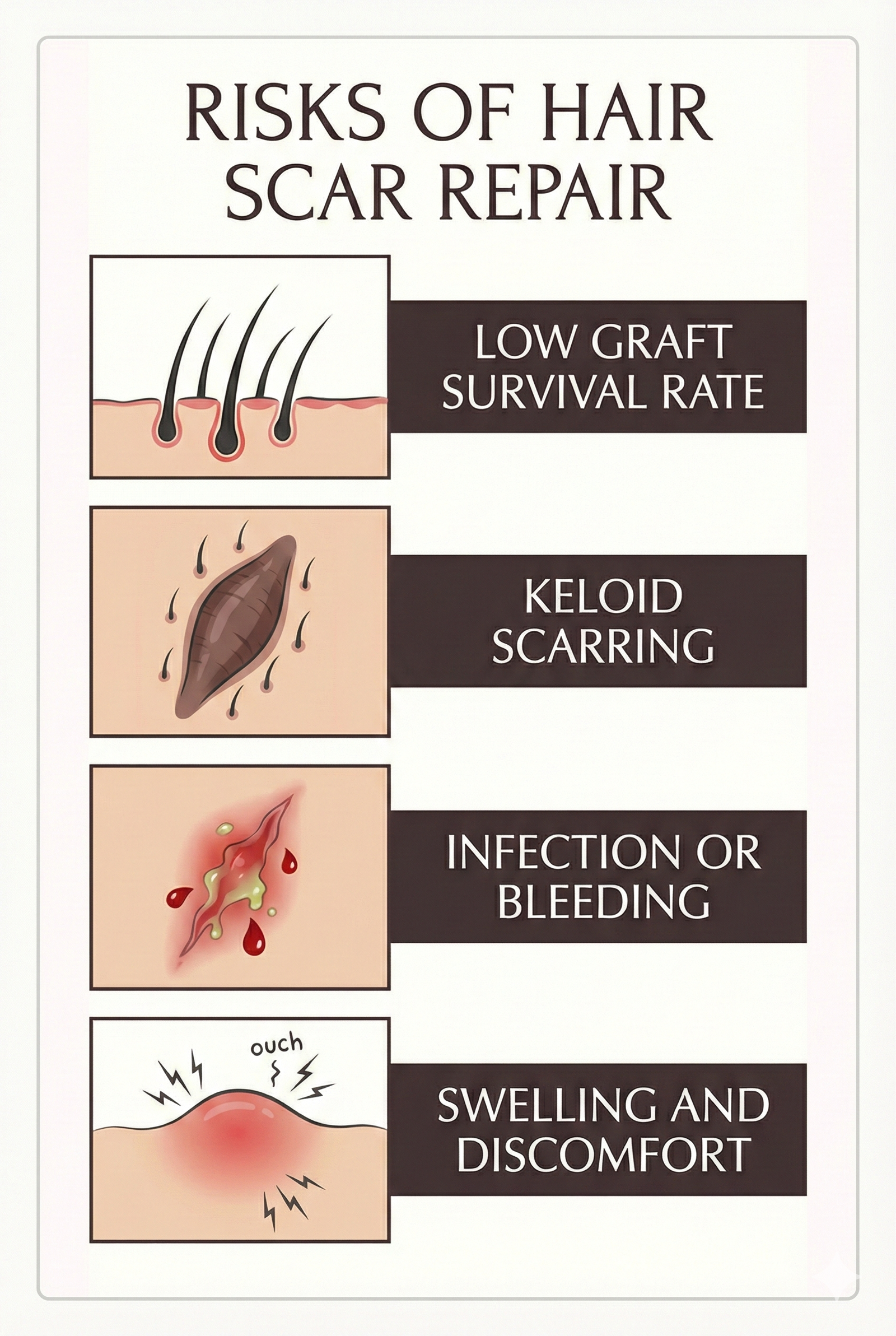
Risks of Hair Scar Repair
While hair transplant scar repair is generally a safe procedure when performed by an experienced surgeon, it carries some specific risks, particularly due to the compromised nature of scar tissue.
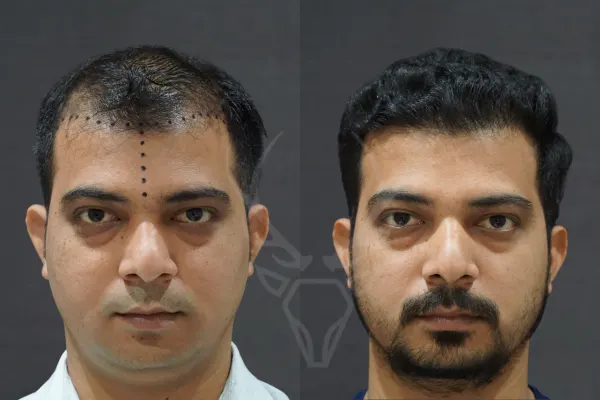
Success Stories of Hair Transplant at Musk Clinic
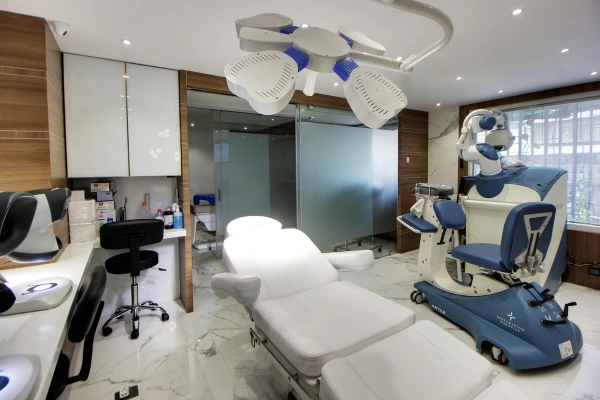
India's Only Premier Clinic for ARTAS® Robotic Hair Transplant
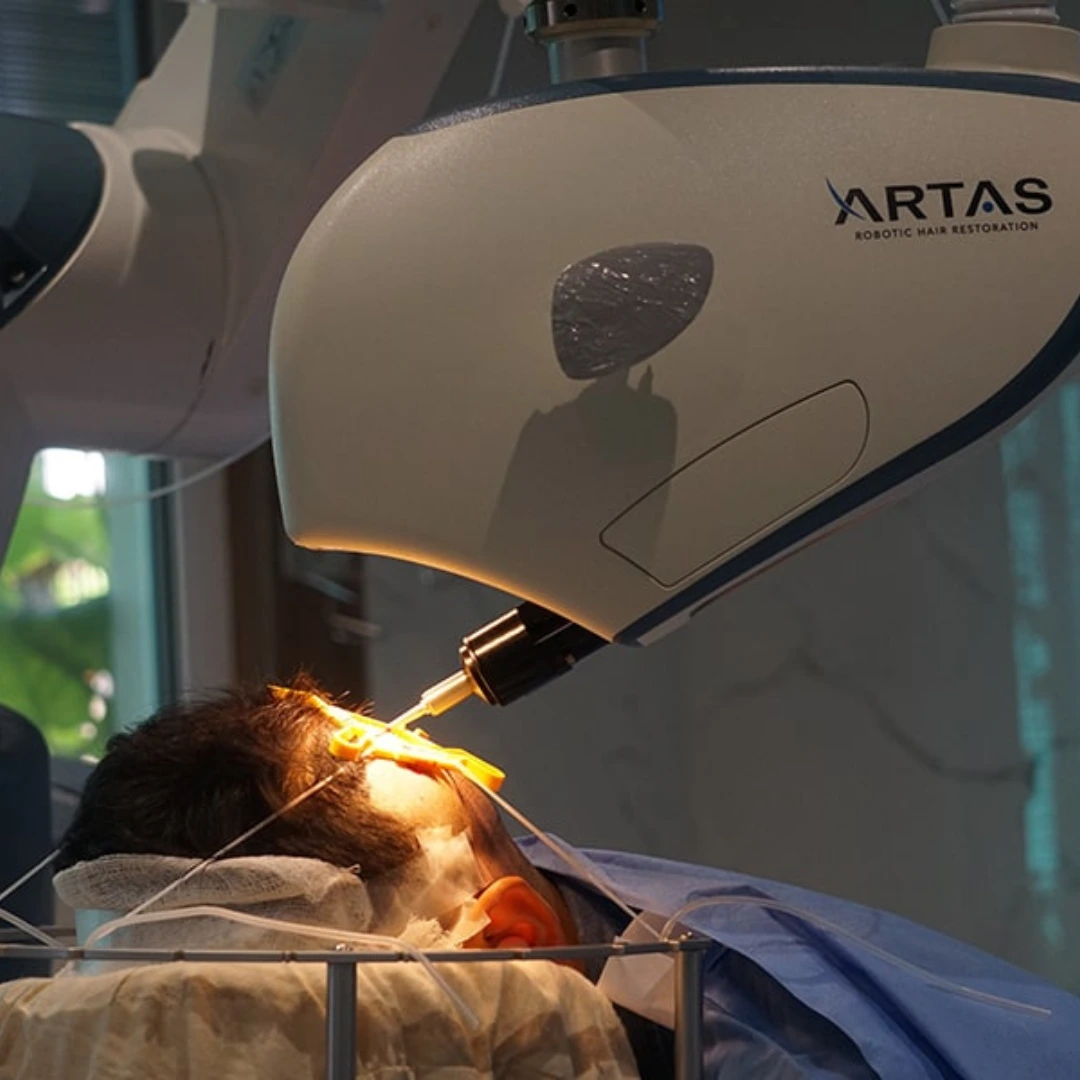
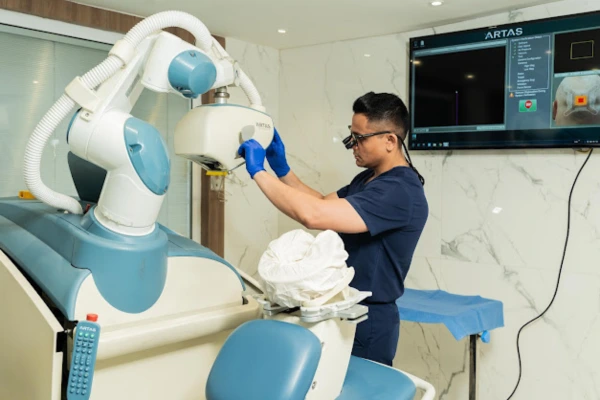
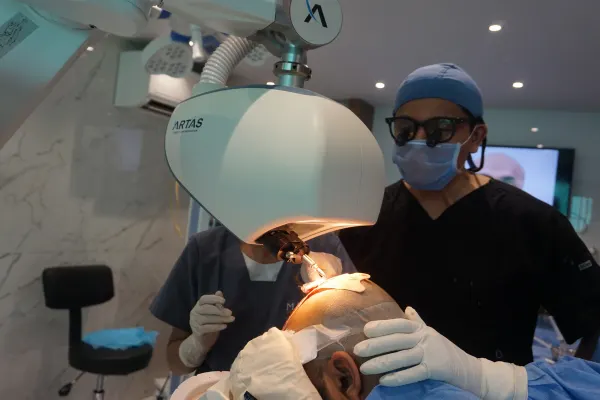
Experience the next generation of hair restoration with the ARTAS® 9x Robotic System, exclusively at Musk Clinic. This advanced technology eliminates the guesswork and human error of manual procedures. For you, this means a faster, more comfortable experience and results so natural, no one will know you had a procedure done.
AI-Powered Precision
Maximum Graft Viability
Faster & More Comfortable
Ready to Experience Hair Transplant Scar Repair?
Join hundreds of satisfied patients who have transformed their lives with ARTAS® technology at Musk Clinic.
ARTAS® Clinic in India
Graft Survival Rate
Faster Procedure
What Should You Consider Before Hair Transplant Scar Repair?
How is a Hair Transplant Scar Repair Procedure Performed?
The scar repair process involves meticulous steps, often combining surgical and non-surgical techniques tailored to the individual scar type.

Consultation and Assessment

Preparing the Donor Area

Graft Extraction

Implantation into Scar Tissue
Techniques to Provide the Best Hair Transplant Scar Repair?
To provide the best Hair Transplant Scar Repair, Clinics typically utilize these 3 most popular techniques:
- Manual Follicular Unit Extraction (FUE)
- Follicular Unit Transplantation (FUT)
- Robotic Follicular Unit Extraction (FUE)
FUE is a minimally invasive technique where individual hair follicles are extracted from the donor area (usually the back or sides of the head) and transplanted to the recipient area. This technique leaves tiny scars that heal quickly, making it popular among patients.
Advantages:
- Less Scarring: FUE leaves minimal scarring at the donor site, making it a cosmetically desirable option for many.
- Faster Healing: Due to the minimally invasive nature, FUE generally boasts quicker healing times.
- Larger Donor Area: Hair follicles can be harvested from a broader area on the scalp compared to FUT.
- Location: Costs may vary slightly depending on the clinic’s location within India. Tier-1 cities might have slightly higher costs compared to smaller towns.
FUT involves removing a strip of scalp from the donor area and dissecting it into individual follicular units for transplantation. This method can yield a higher number of grafts in a single session but leaves a linear scar that requires sutures.
Advantages:
- Cost-effective: FUT is generally less expensive than FUE.
- Faster procedure: For larger grafts, FUT can be a quicker procedure compared to FUE.
Robotic FUE utilizes the advanced ARTAS 9X system, using AI and 3D mapping to precisely extract individual hair follicles from the donor area for transplantation.
Advantages:
- Unmatched Precision: The AI-driven robotic system offers up to 99% accuracy in graft harvesting, minimizing damage to follicles.
- Minimal Scarring: The robot's high-precision extraction results in minimal scarring, often less than what can be achieved with manual methods.
- Faster Recovery:As a minimally invasive procedure, patients who undergo robotic FUE typically experience quicker healing times.
- Intelligent Graft Selection: The system uses AI to identify and select the healthiest follicles, which aids the surgeon in creating a dense, natural-looking result.
What is the Recovery Process After Hair Transplant Scar Repair?
Let's walk through the healing timeline together to ensure a successful and comfortable recovery.
You can return to most daily activities, but rest is your priority. You'll experience mild swelling and tenderness as your scalp begins its healing journey.
Scabs will form and naturally fall off. We'll provide detailed guidance on how to wash your hair gently during this sensitive period.
The "shedding phase" begins—this is completely normal! The transplanted hairs will fall out, but the follicles underneath remain safe and are preparing for new growth.
New, fine hairs will begin to sprout, marking the start of your transformation. This is when you'll first see the promise of your new look!
You'll notice significant growth and increasing density as your hair continues to strengthen and thicken. The excitement builds!
Your final, spectacular results are visible! The hair will have matured in both thickness and length, giving you the full, natural-looking results you've been waiting for.
How Much is the Success Rate of Hair Transplant Scar Repair in India?
Hair Transplant Scar Repair in India has a high success rate of up to 98%. However, the success rate always depends on individual factors, circumstances, and the expertise under which it is performed.
Musk Clinic has a proven record of successful Hair Transplant Scar Repair treatments with great outcomes. With our detailed attention to a patient’s current circumstances and safety measures, we ensure to deliver the best Hair Transplant Scar Repair solutions with a success ratio of 95-100%.
What is the Cost of Hair Transplant Scar Repair in India?
The cost of Hair Transplant Scar Repair in India is quite affordable compared to that in other developed nations, making it an attractive destination for individuals seeking this procedure. India has gained recognition for offering high-quality Hair Transplant Scar Repair Treatment 5-6 times lesser that meet international standards at a fraction of the cost found elsewhere.
The price of a Hair Transplant Scar Repair in India typically depends on various factors associated with the procedure. Key factors influencing the cost include the number of hair grafts needed to cover the bald area. Each hair graft generally costs varying based on factors such as the clinic’s reputation, the expertise of the hair transplant surgeon, and its location.
Musk Clinic is one of the top hair transplants clinics in India, offering the best hair loss solutions in India.
Affordability, combined with the availability of skilled surgeons and world-class facilities, has made us the best place for Hair Transplant Scar Repair, attracting individuals from around the world seeking effective solutions for hair loss.
Know Your Hair Transplant Scar Repair Cost Today!
Factors That Decide the Cost of Afro Hair Transplant in India?
The cost of a hair transplant scar repair in India is generally significantly lower than in developed nations. However, the exact price will depend on several key variables specific to the complexity of scar tissue.

Number of Grafts Required

Complexity of the Scar

Technique Used

Surgeon's Expertise
Ethical Considerations for Hair Transplant Scar Repair
Patients deserve ethical care during Hair Transplant Scar Repair procedures. They should expect:

Expert-Only Treatment

Informed Consent

Global Standards of Care

Transparent Communication
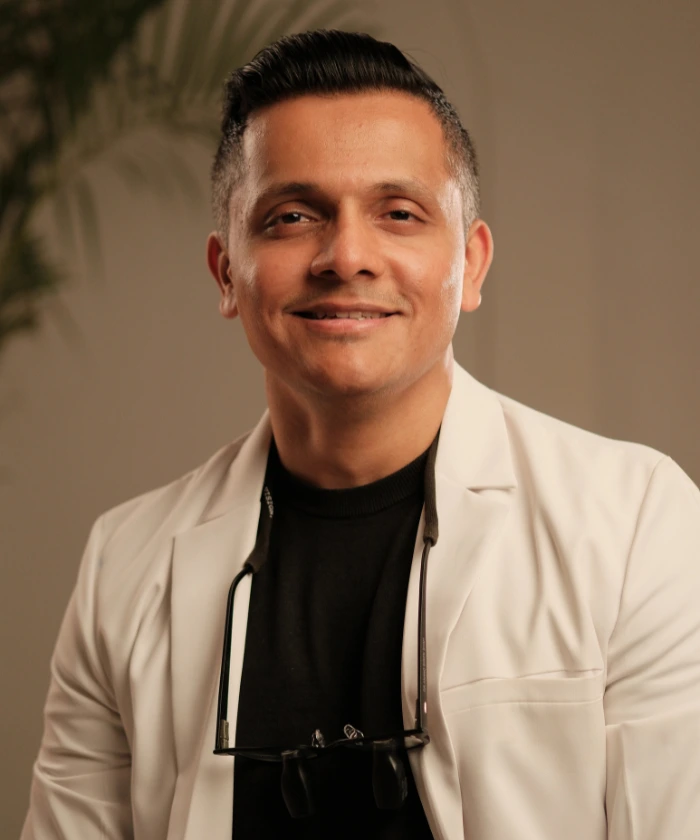
Dr. Anand Shah: The Surgeon Behind Artas 9x Robotic Hair Transplant
Dr Anand B. Shah, is a board-certified Maxillofacial & Craniofacial surgeon who is highly skilled in cosmetic facial and hair restoration surgery and has exclusively practised the same, internationally and nationally. His career span has been marked with passionate and focused learning, keen and industrious training and in-depth guidance by some of the world’s best leading experts in the field of Hair Restoration. Following his post-graduation, Dr Shah underwent a highly reputed fellowship in Craniofacial Surgery under GCCRI which is affiliated with DCKH (Deutsche Cleft Kinder Hilfe), Germany. It was during his fellowship tenure that Dr Anand developed a keen interest in Hair Restoration Surgery under the esteemed guidance of fellowship director Dr Shyam Sheth.
He underwent a surgical preceptorship in orthognathic surgery from ‘UZ Brussel’ University, Belgium under Dr Maurice Mommaerts.
Read MoreRecognized Physician Memberships

Recognized By
Why Choose Musk Clinic?
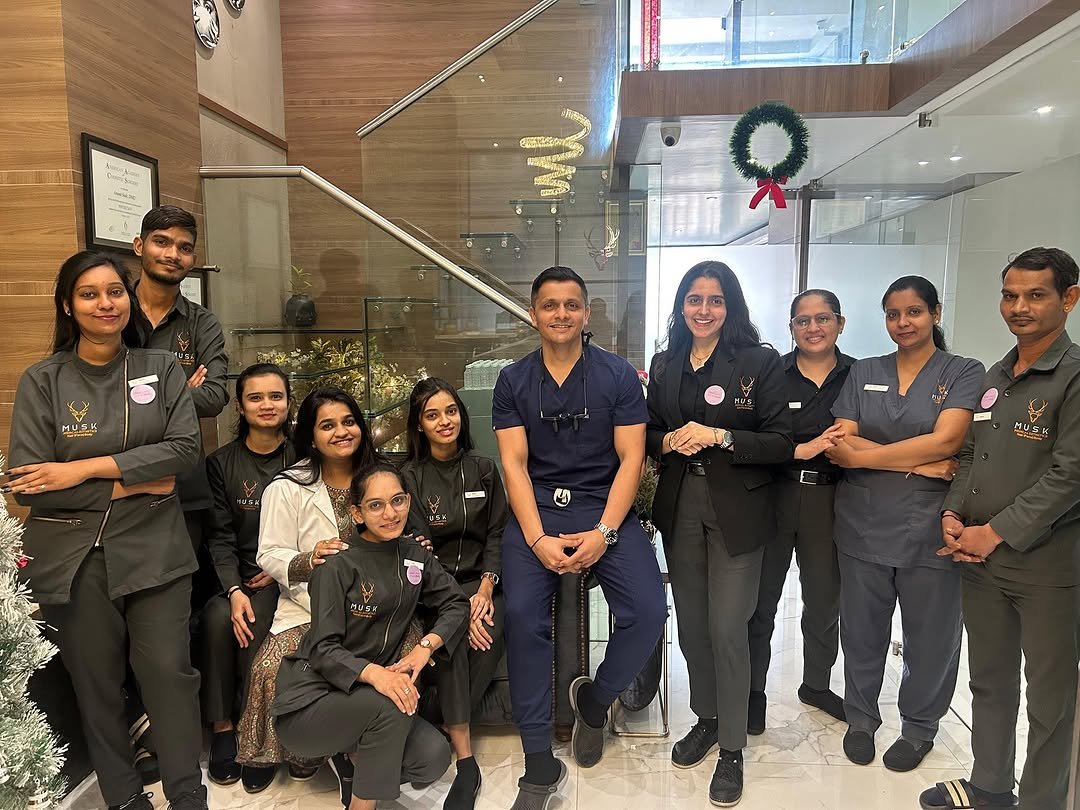
Real People. Real Care. Real Results.
At Musk Clinic, excellence is never a solo effort.
We are a team of skilled doctors, experienced surgeons, certified therapists, and compassionate staff—working together to deliver world-class care in Robotic Hair Transplants, Advanced Skin Treatments, and Body Aesthetics.
With cutting-edge technology and a shared vision of delivering results with care, our team ensures every patient feels confident, comfortable, and cared for at every step of their transformation journey.
When you choose Musk Clinic, you're not just choosing a treatment—you're choosing a team that's committed to your well-being and success.