






 By Dr. Anand Shah
 Hair loss is no longer something people simply accept and live with.
Today, more individuals are exploring non-surgical treatments that promise healthier hair, improved density, and visible regrowth without the need for transplants.
Among the most talked about regenerative options are PRP therapy and exosome therapy.
Both treatments focus on stimulating your hair follicles and improving scalp health using advanced biological approaches. Instead of masking the problem, they aim to support your body’s natural repair processes.
This is why many people comparing hair restoration options often find themselves deciding between PRP and exosome therapy.
If you are experiencing thinning hair, early-stage hair loss, or simply want to strengthen your hair quality, understanding how these treatments work can help you make informed decisions.
While PRP has been widely used for years, exosome therapy is gaining attention as a newer and potentially more advanced solution.
In this guide, you will explore how each treatment works, what to expect during the procedure, and how their benefits and limitations compare.
Common Causes of Hair Loss
Hair loss is rarely caused by just one factor. In most cases, it is a combination of genetics, lifestyle, and health-related influences.
- Genetic hair loss (androgenetic alopecia): This is the most common cause of hair thinning in both men and women. It occurs when hair follicles gradually shrink over time, leading to finer strands and slower growth.
- Hormonal changes: Hormonal imbalances related to thyroid issues, pregnancy, menopause, or conditions like PCOS can affect hair growth and trigger shedding.
- Stress and lifestyle factors: Physical or emotional stress can push hair follicles into a resting phase, leading to temporary hair shedding. Poor sleep, smoking, and unhealthy habits may also impact hair health.
- Nutritional deficiencies: Lack of essential nutrients such as iron, protein, vitamin D, and biotin can weaken hair follicles and reduce growth.
- Medical conditions and medications: Certain illnesses, scalp conditions, and medications can contribute to hair thinning or hair loss. This is why a medical assessment is often recommended before starting treatment.
Hair Growth Cycle Explained
Your hair grows in a natural cycle that includes three main phases.
- Anagen phase: This is the active growth stage where hair follicles produce new strands. Healthy follicles have remained in this phase for several years.
- Catagen phase: A short transition stage where growth slows, and the follicle prepares to rest.
- Telogen phase: The resting phase, where hair eventually sheds and makes room for new growth.
Hair loss often occurs when follicles spend less time in the growth phase or become weakened. Treatments like PRP and exosome therapy aim to support follicle health, extend the growth phase, and stimulate regeneration.
Understanding this cycle helps explain why regenerative therapies focus on improving the scalp environment and follicle function rather than simply replacing lost hair.
What Is PRP Therapy for Hair Loss?
PRP therapy has become one of the most widely used non-surgical treatments for hair restoration.
It is popular because it uses your own biological material to support hair growth, making it a natural and minimally invasive option.
PRP stands for platelet-rich plasma. It is a concentrated component of your blood that contains growth factors and proteins known to support healing and tissue regeneration.
In hair restoration, PRP is prepared from your own blood and injected into the scalp. The idea is simple. By delivering a high concentration of growth factors directly to hair follicles, PRP aims to stimulate follicle activity and improve air quality.
Because PRP comes from your own body, the treatment is considered autologous. This reduces the risk of allergic reactions and makes it an appealing option for many individuals.
How PRP Works
Platelets play an important role in healing and regeneration.
They release growth factors that support cell repair, improve blood supply, and encourage tissue regeneration.
When PRP is injected into the scalp, these growth factors may:
- Stimulate dormant hair follicles
- Increase blood circulation around follicles
- Strengthen existing hair shafts
- Extend the growth phase of the hair cycle
The goal is not just regrowth but also healthier, thicker hair over time.
Research has shown promising results for PRP in androgenetic alopecia, with many patients experiencing improved hair density and reduced shedding.
PRP Treatment Procedure
The PRP procedure is relatively straightforward and typically performed in a clinical setting.
First, a small amount of blood is drawn from your arm. The blood is then placed in a centrifuge, which spins at high speed to separate platelet-rich plasma from other components.
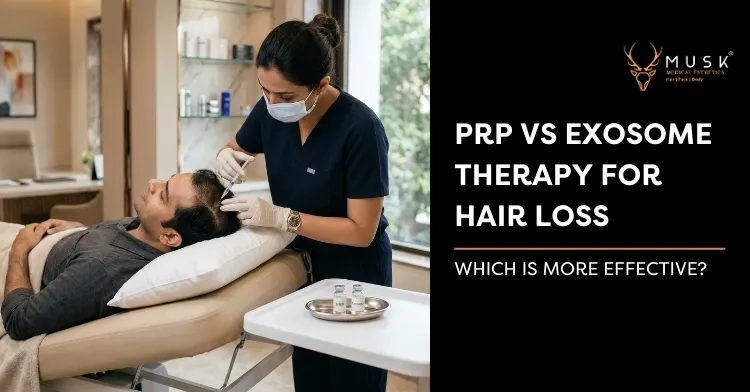
Once prepared, the PRP is injected into targeted areas of the scalp using fine needles. Some clinics may combine PRP with microneedling to enhance absorption and effectiveness.
A typical session lasts around 45 to 60 minutes. Most treatment plans involve multiple sessions spaced a few weeks apart, followed by maintenance treatments to sustain results.
Because PRP is minimally invasive, downtime is usually limited.
You may experience mild redness or tenderness, but most people return to normal activities the same day.
Benefits of PRP for Hair Loss
PRP therapy has gained popularity because it offers a natural approach to hair restoration while fitting easily into a busy lifestyle.
If you are exploring regenerative treatments, understanding their advantages can help you decide whether they align with your expectations.
- Natural and autologous treatment: One of the biggest benefits of PRP is that it uses your own blood. This makes the treatment biocompatible and reduces the likelihood of allergic reactions or complications. Many people feel more comfortable choosing a therapy that relies on their body’s own healing potential.
- Improved hair thickness and density: PRP aims to stimulate weakened follicles and improve the quality of existing hair. Over time, many patients notice fuller-looking hair, improved texture, and better density, especially in areas affected by early thinning.
- Reduced shedding: By supporting follicle health and strengthening the hair growth cycle, PRP may help reduce excessive shedding. This can be particularly helpful if you are experiencing early-stage hair loss or stress-related thinning.
- Minimal downtime: PRP sessions are relatively quick and minimally invasive. You can usually return to your daily routine shortly after treatment, making it a convenient option for individuals with busy schedules.
- Suitable candidates: PRP tends to work best for individuals with early to moderate hair thinning who still have active follicles. It can also be used as a supportive treatment after hair transplant procedures to enhance healing and growth.
Clinical studies have shown that PRP can improve hair density and thickness in certain patients, particularly those with androgenetic alopecia.
While PRP offers several benefits, it is important to remember that results can vary depending on factors such as hair loss severity, overall health, and treatment consistency.
Limitations and Side Effects of PRP
While PRP therapy offers several advantages, it is important to have realistic expectations.
Like any treatment, PRP has limitations and potential side effects that you should consider before starting your hair restoration journey.
- Mild discomfort or swelling: Because PRP involves scalp injections, you may experience temporary redness, tenderness, or mild swelling after the procedure. These effects usually settle within a day or two and rarely interfere with daily activities.
- Variability in results: PRP does not work the same way for everyone. Factors such as age, overall health, hair loss stage, and follicle condition can influence how well your scalp responds. Some individuals notice visible improvement, while others may experience more subtle changes.
- Need for multiple sessions: PRP is not a one-time treatment. Most protocols involve a series of sessions followed by maintenance treatments to sustain results. This commitment can affect both time and cost considerations.
- Not effective for advanced baldness: PRP works best when hair follicles are still active. In areas where follicles are severely miniaturized or absent, the treatment may have a limited impact. This is why early intervention often produces better outcomes.
Although PRP is generally considered safe, it is still important to receive treatment from qualified professionals who follow proper protocols.
A thorough consultation helps determine whether PRP is suitable for your hair loss pattern and expectations.
What Is Exosome Therapy for Hair Loss?
Exosomes are tiny extracellular vesicles released by stem cells and other cells in the body.
They act as messengers, carrying proteins, growth factors, and genetic material that help cells communicate and repair damaged tissues.
In hair restoration, exosome therapy involves delivering these signaling molecules directly to the scalp. The goal is to support follicle regeneration, reduce inflammation, and improve the overall health of the scalp.
Unlike PRP, which is prepared from your own blood, exosome therapy uses laboratory-processed exosomes derived from specialized cell sources.
This difference is one of the main reasons the treatment is considered more advanced and, in some cases, more potent.
How Exosome Therapy Works
Exosomes influence cell behavior through signaling. When applied to the scalp, they may:
- Stimulate hair follicle stem cells
- Promote tissue repair and regeneration
- Reduce inflammation around follicles
- Support improved blood flow and scalp health
This combination of effects aims to create a more favorable environment for hair growth and follicle activity.
Exosome Treatment Procedure
The procedure for exosome therapy is relatively simple and similar in experience to other scalp-based treatments.
A prepared exosome solution is applied to targeted areas of the scalp. This can be delivered through injections or combined with microneedling to enhance penetration and absorption.
Sessions typically last less than an hour, and most individuals experience minimal downtime. Mild redness or sensitivity may occur, but it usually resolves quickly.
Depending on your treatment plan, you may need one or more sessions, although some protocols suggest fewer sessions compared to PRP.
Benefits of Exosome Therapy for Hair Loss
Exosome therapy is often described as a next-generation regenerative treatment.
Its growing popularity comes from its potential to deliver powerful signaling molecules that support scalp health and follicle activity.
If you are exploring advanced hair restoration options, understanding these benefits can help you evaluate whether exosome therapy fits your goals.
- Advanced regenerative potential: Exosomes carry growth factors, proteins, and genetic signals that help regulate cell behavior. This makes them highly active in promoting tissue repair and regeneration. In hair restoration, this regenerative capability may help revive weakened follicles and support healthier growth.
- Enhanced follicle activation: One of the key goals of exosome therapy is to stimulate hair follicle stem cells. By improving communication between cells and supporting follicle activity, the treatment may encourage stronger and more consistent hair growth.
- Improved scalp health: Inflammation and a poor scalp environment can contribute to hair thinning. Exosome therapy may help reduce inflammation and support tissue repair, creating conditions that are more favorable for hair growth.
- Longer-lasting effects in some cases: Because exosomes influence cellular signaling rather than simply delivering growth factors, some practitioners suggest that the results may last longer compared to certain other treatments. However, outcomes can vary, and ongoing research continues to explore this aspect.
- Suitable candidates: Exosome therapy may appeal to individuals seeking advanced regenerative solutions, especially those with early to moderate hair thinning. It can also be considered by patients looking to complement other treatments such as PRP or hair transplant procedures.
While these benefits make exosome therapy an exciting option, it is important to weigh them alongside its limitations and individual suitability.
Limitations and Side Effects of Exosome Therapy
Exosome therapy is an exciting development in regenerative medicine, but it is important to approach it with balanced expectations.
As a relatively new treatment for hair restoration, it has certain limitations and considerations that you should understand before making a decision.
- Limited long-term research compared to PRP: While early studies and clinical experience show promising results, exosome therapy does not yet have the same depth of long-term research as PRP. Ongoing studies continue to explore its effectiveness, optimal protocols, and long-term outcomes.
- Cost considerations: Exosome therapy is often more expensive than PRP due to the advanced technology and specialized preparation involved. This can influence accessibility and may require careful financial planning if multiple sessions are recommended.
- Mild post-treatment reactions: As with many scalp-based treatments, you may experience temporary redness, sensitivity, or mild swelling after the procedure. These effects are usually short-lived and resolved within a day or two.
- Variation in product quality: Because exosome therapy involves processed biological products, quality and sourcing can vary between providers. This makes it especially important to choose a reputable clinic that uses high-quality, clinically validated products and follows proper protocols.
Although side effects are generally mild, consulting a qualified professional ensures you understand the treatment, its suitability for your hair loss pattern, and any potential risks.
PRP vs Exosome Therapy: Key Differences
| Aspect | PRP Therapy | Exosome Therapy |
|---|---|---|
| Source of regenerative material | Derived from your own blood through platelet-rich plasma | Uses laboratory-processed exosomes containing signaling molecules |
| Mechanism of action | Delivers growth factors that support healing and stimulate follicles | Enhances cell communication and regeneration through signaling vesicles |
| Treatment concept | Autologous treatment relying on your body's natural repair response | Advanced regenerative therapy designed to influence cellular behavior |
| Session frequency | Usually requires multiple sessions followed by maintenance treatments | Some protocols suggest fewer sessions, though plans vary by individual |
| Procedure experience | Blood draw, centrifugation, and scalp injections | Application through injections or microneedling without a blood draw |
| Research background | Supported by a broader body of clinical studies in hair restoration | Emerging research with promising but still developing evidence |
| Cost range | Generally more affordable compared to exosome therapy | Typically higher cost due to advanced processing and materials |
| Personalization | Prepared from your own biological material, offering a personalized approach | Product standardization depends on manufacturing and clinic protocols |
| Ideal use cases | Early to moderate hair thinning and maintenance therapy | Patients seeking advanced regenerative support or combination treatments |
This side-by-side comparison highlights how both treatments aim to support hair growth but differ in their biological source, mechanism, and clinical maturity.
PRP vs Exosome Therapy: Cost Comparison
| Cost Factor | PRP Therapy | Exosome Therapy |
|---|---|---|
| Average session cost | Generally lower per session compared to advanced regenerative treatments | Typically higher per session due to specialized exosome preparation |
| Number of sessions required | Often involves a series of sessions followed by maintenance treatments | Some patients may need fewer sessions, depending on treatment goals |
| Long-term investment | Costs may accumulate over time because of ongoing maintenance sessions | Higher upfront cost, but potentially fewer sessions in some cases |
| Additional expenses | Consultation fees, scalp assessments, and combination therapies may add to the total cost | Similar additional costs plus a potential premium for high-quality exosome products |
| Value considerations | Suitable for patients seeking gradual improvement with a natural approach | May appeal to those looking for advanced regenerative support and potentially longer-lasting effects |
| Budget planning | Easier to spread costs over multiple sessions | Requires consideration of a higher initial financial commitment |
Costs can vary widely depending on location, clinic expertise, treatment protocol, and individual hair loss severity.
A personalized consultation is often the best way to understand the full financial situation.
Who Is the Ideal Candidate for Each Treatment?
Both PRP and exosome therapy aim to support hair growth and scalp health, but they may suit different individuals depending on hair loss stage, treatment expectations, and personal preferences.
Best Candidates for PRP
PRP is often recommended for individuals in the earlier stages of hair thinning, where follicles are still active.
- Early-stage hair thinning: If you notice gradual thinning, reduced density, or increased shedding, PRP may help strengthen existing follicles and slow progression.
- Individuals seeking natural treatment: Because PRP uses your own blood-derived growth factors, it appeals to those who prefer a natural and autologous approach to hair restoration.
- Patients comfortable with multiple sessions: PRP typically involves a series of treatments followed by maintenance sessions. Individuals willing to commit to ongoing care may benefit most from this approach.
PRP can also be used alongside other treatments such as medications or hair transplant procedures to support healing and improve overall outcomes.
Best Candidates for Exosome Therapy
Exosome therapy may suit individuals looking for a more advanced regenerative approach or those exploring newer treatment options.
- Individuals seeking advanced regenerative options: If you are interested in cutting-edge therapies that focus on cellular signaling and tissue repair, exosome therapy may be appealing.
- Patients who want potentially fewer sessions: Some treatment protocols suggest fewer sessions compared to PRP, which may be attractive if you prefer less frequent clinic visits. However, individual plans can vary.
- Those combining therapies for enhanced results: Exosome therapy is sometimes used as part of combination treatment strategies alongside PRP, microneedling, or hair transplant procedures to enhance regenerative effects.
Ultimately, the best candidate for either treatment depends on your hair loss pattern, scalp condition, medical history, and personal goals.
Costs can vary widely depending on location, clinic expertise, treatment protocol, and individual hair loss severity.
A personalized consultation is often the best way to understand the full financial situation.
Can PRP and Exosome Therapy Be Combined?
As regenerative hair treatments continue to evolve, many individuals wonder whether combining PRP and exosome therapy could deliver better results than using either treatment alone.
In some cases, combination therapy is considered a way to maximize the benefits of both approaches.
Rationale for combination therapy
PRP and exosome therapy work through different biological mechanisms.
PRP delivers growth factors derived from your own blood that support healing and follicle stimulation.
Exosomes focus on cellular communication and regeneration through signaling molecules.
When combined, these therapies may complement each other by providing both growth factor support and advanced regenerative signaling. This layered approach aims to create a healthier scalp environment and encourage stronger follicle activity.
Potential benefits
Combination therapy may offer several advantages, including:
- Enhanced follicle stimulation through multiple regenerative pathways
- Improved scalp healing and reduced inflammation
- Potentially better hair density and texture over time
- Support for maintenance following hair transplant procedures
While outcomes can vary, some practitioners believe this integrative strategy may benefit individuals seeking more comprehensive hair restoration support.
Treatment protocols
Combination protocols can differ depending on clinic expertise and patient needs.
In some cases, PRP may be used as a foundational treatment, with exosomes introduced to enhance regenerative signaling. Other protocols may involve alternating sessions or combining therapies with microneedling for improved absorption.
A personalized treatment plan is important to ensure therapies are used safely and effectively.
Costs can vary widely depending on location, clinic expertise, treatment protocol, and individual hair loss severity.
A personalized consultation is often the best way to understand the full financial situation.
Conclusion
Hair restoration has evolved far beyond traditional approaches.
Today, treatments like PRP and exosome therapy offer regenerative solutions that focus on improving follicle health and supporting natural hair growth.
While both therapies share similar goals, they differ in their biological source, mechanism, and level of clinical maturity.
PRP remains a trusted option with a strong track record, particularly for individuals experiencing early to moderate hair thinning.
Exosome therapy, on the other hand, represents a newer and more advanced regenerative approach that aims to enhance cellular communication and scalp regeneration.
The effectiveness of either treatment depends on factors such as your hair loss stage, scalp condition, treatment consistency, and overall health. In some cases, combining both therapies may offer complementary benefits and support more comprehensive hair restoration.
This is why a personalized evaluation is essential before choosing a treatment.
At Musk clinic, advanced hair restoration treatments are delivered with a focus on individualized care. Our team offers both PRP and exosome therapy, along with expert assessment to help you understand which option aligns best with your needs.
Frequently Asked Questions (FAQs)

Dr. Anand B. Shah
- 10 Years of Experience
Dr Anand B. Shah, is a board-certified Maxillofacial & Craniofacial surgeon who is highly skilled in cosmetic facial and hair restoration surgery and has exclusively practised the same, internationally and nationally.