






 By Dr. Anand Shah
 When you decide to get a Hair Transplant, you are making a long-term investment in your appearance and confidence.
You spend time researching techniques, choosing a clinic, and planning for recovery.
What many people overlook, however, is how much their everyday habits can influence the final result.
One of the most important and often underestimated factors is smoking.
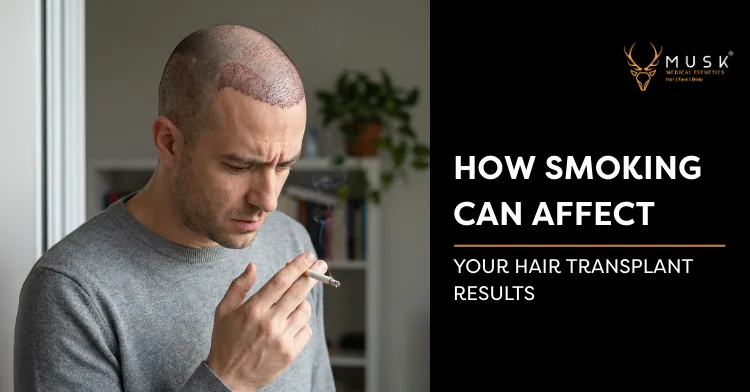
Smoking affects far more than your lungs. It impacts blood circulation, oxygen delivery, and the body’s ability to heal. All of these play a critical role in how well transplanted hair follicles survive and grow.
Even when the surgery itself is performed perfectly, smoking can interfere with the healing process and reduce the quality of your results.
Hair transplantation depends heavily on the blood supply. Newly transplanted grafts need oxygen and nutrients to survive in their new location.
Smoking restricts blood vessels and lowers oxygen levels in the blood.
This makes it harder for the scalp to heal properly and for grafts to establish themselves.
Many patients assume that smoking only matters for general health and not for cosmetic procedures. In reality, surgeons consistently warn that smoking increases the risk of complications, slows recovery, and can affect hair growth after surgery.
This is why smoking guidelines are a key part of pre and post transplant care.
In this guide, you will learn how smoking affects your body, your hair, and your hair transplant results.
What Is a Hair Transplant?
A hair transplant is a procedure that moves healthy hair follicles from one part of your scalp to areas where hair is thinning or missing.
The goal is to restore natural-looking hair growth in areas affected by hair loss.
Modern Hair Transplants are Designed to be Minimally Invasive and highly targeted. They focus on preserving the natural direction, density, and appearance of your hair. While the technique matters, the body’s response after surgery is just as important.
The success of a hair transplant does not end when the procedure is over. Healing and graft survival continue for weeks and months afterward.
How Hair Transplants Work
Hair transplants involve two main areas.
The Donor Area is usually the back or sides of your scalp, where hair is genetically resistant to hair loss.
The Recipient Area is where hair is thinning or bald.
Hair follicles are carefully extracted from the donor area and then implanted into tiny openings in the recipient area.
Each follicle is a living structure that must survive the transfer and adapt to its new location.
Once implanted, the follicles rely entirely on the surrounding scalp tissue to provide oxygen and nutrients. This is where proper circulation becomes critical.
Why Healing and Blood Supply Matter
After transplantation, hair follicles are delicate.
They need a strong blood supply to heal, anchor themselves, and begin producing new hair.
Oxygen and nutrients delivered through the blood help repair tissue and support growth.
If blood flow is reduced or healing is delayed, grafts may struggle to survive. Poor circulation can lead to slower Recovery, weaker hair growth, or even graft failure.
This is why surgeons place such strong emphasis on post-surgery care and lifestyle choices.
Anything that interferes with blood flow or healing can directly affect your final results.
How Smoking Affects the Body
To understand why smoking interferes with hair transplant results, you first need to know what smoking does inside your body.
The effects are not limited to your lungs. Smoking changes how your blood flows, how oxygen is delivered, and how your immune system responds to healing.
All of these processes are essential for recovery after any surgical procedure, including a hair transplant.
What Happens When You Smoke
When you smoke, nicotine enters your bloodstream almost immediately.
Nicotine causes blood vessels to narrow, which reduces the amount of blood that can flow through them.
At the same time, carbon monoxide from cigarette smoke reduces the amount of oxygen your blood can carry.
This combination means less oxygen and fewer nutrients reach your tissues.
For healing skin and newly transplanted hair follicles, this is a serious problem.
According to the Centers for Disease Control and Prevention, smoking reduces oxygen delivery and damages blood vessels, which directly affects wound healing and tissue repair.
Smoking and Blood Circulation
Healthy Blood Circulation is essential for recovery after a hair transplant.
Blood delivers oxygen, vitamins, and minerals that support healing and cell regeneration.
Smoking damages small blood vessels called capillaries. These capillaries are responsible for supplying the skin and scalp. When they are narrowed or damaged, blood flow becomes slower and less efficient.
Poor circulation means transplanted grafts may struggle to receive what they need to survive.
This increases the risk of slow healing and weaker hair growth.
Smoking and Inflammation
Smoking also increases inflammation throughout the body.
While some inflammation is a normal part of healing, excessive inflammation can slow recovery and increase discomfort.
In addition, smoking weakens the immune system. This makes it harder for your body to fight off infection and repair damaged tissue.
After a hair transplant, your scalp needs to heal cleanly and efficiently. Increased inflammation and reduced immune response can lead to complications that affect both comfort and results.
The Direct Impact of Smoking on Hair Health
Smoking not only affects your general health, it also has a direct and visible impact on your hair.
Long before surgery is even considered, smoking can weaken hair follicles, slow growth, and increase hair loss. These effects become even more important when you are planning or recovering from a hair transplant.
Understanding how smoking affects your hair helps explain why surgeons strongly advise quitting or pausing smoking.
1 - Smoking and Hair Follicle Damage
Hair follicles are living structures that rely on a steady supply of oxygen and nutrients.
Smoking interferes with this supply by narrowing blood vessels and reducing oxygen levels in the blood.
Over time, this reduced circulation weakens hair follicles. Weakened follicles produce thinner hair strands and may stop producing hair altogether. This damage makes the scalp a less supportive environment for both existing hair and transplanted grafts.
Research published by the National Institutes of Health explains that smoking increases oxidative stress in the body.
Oxidative stress damages cells, impairs tissue repair, and accelerates the aging process.
Hair follicles are particularly sensitive to this type of cellular damage, which can weaken hair growth and reduce follicle survival.
2 - Reduced Nutrient Delivery to Hair Roots
Healthy hair growth depends on nutrients such as iron, zinc, and essential vitamins reaching the hair roots.
Smoking reduces the body’s ability to deliver these nutrients efficiently.
When blood flow is restricted, fewer nutrients reach the scalp. This can slow hair growth and weaken newly transplanted follicles that are trying to establish themselves.
Even if the hair transplant surgery is successful, poor nutrient delivery can limit the thickness, strength, and overall quality of the new hair growth.
3 - Smoking and Accelerated Hair Loss
Smoking has been linked to faster hair loss in both men and women.
Research suggests that smokers may experience an earlier onset of hair thinning and a more aggressive progression of hair loss compared to non-smokers. Smoking is believed to damage hair follicles through reduced blood flow, oxidative stress, and inflammation, all of which contribute to accelerated hair thinning.
The combination of reduced circulation, increased inflammation, and follicle damage creates an environment where hair struggles to survive long-term.
For someone considering a hair transplant, this means smoking does not just affect recovery.
It can also worsen the underlying hair loss problem that the surgery is meant to address.
Smoking Before a Hair Transplant
What you do before your hair transplant is just as important as the surgery itself.
Smoking in the weeks leading up to the procedure can increase risks during surgery and reduce your chances of getting strong, healthy results.
Many patients underestimate how much smoking before surgery affects the scalp and the healing process.
Why Smoking Before Surgery Is Risky
Smoking before a hair transplant puts your body under stress at the exact time it needs to be at its best.
Nicotine narrows blood vessels, which reduces blood flow to the scalp. At the same time, carbon monoxide from cigarette smoke lowers the amount of oxygen your blood can carry.
During a hair transplant, your scalp experiences thousands of tiny incisions. Your body needs good circulation and oxygen delivery to heal these areas properly. Smoking makes this process slower and less effective.
Medical research shows that smokers have a higher risk of surgical complications and delayed healing.
Effects on Scalp Condition and Blood Flow
A healthy scalp is essential for a successful hair transplant. Smoking affects the scalp by reducing blood supply and drying out the skin.
This can make the scalp more sensitive and less able to recover from surgery.
Poor blood flow means transplanted grafts may struggle from the very beginning. Even before implantation, limited circulation can reduce how well the scalp supports new follicles.
Smoking can also increase inflammation, which may lead to more swelling and discomfort after surgery. These issues do not always cause transplant failure, but they can negatively affect graft survival and early healing.
The Centers for Disease Control and Prevention explains that smoking damages blood vessels and reduces oxygen delivery throughout the body, which directly impacts healing after medical procedures.
Pre-Surgery Guidelines for Smokers
Most hair transplant surgeons strongly advise stopping smoking before surgery.
While recommendations may vary, many clinics suggest quitting at least one to two weeks before the procedure. Some surgeons recommend an even longer period for better results.
This break allows blood vessels to begin relaxing and oxygen levels to improve. Even a short period without smoking can help improve circulation and reduce surgical risks.
If quitting completely feels difficult, it is important to be honest with your surgeon. They can guide you on the safest approach and explain how smoking may affect your specific case.
Preparing properly before surgery gives your hair transplant the best possible starting point.
Smoking After a Hair Transplant
The period after your hair transplant is when results are most vulnerable.
Your scalp is healing, grafts are settling into place, and a new blood supply is forming around each follicle. Smoking during this phase can interfere with all of these processes and significantly affect your final outcome.
Even if the surgery itself went well, smoking after the procedure can undo much of that work.
How Smoking Affects Graft Survival
Newly transplanted hair grafts depend on the surrounding scalp for oxygen and nutrients.
In the first few days after surgery, grafts are especially fragile and sensitive to changes in blood flow.
Smoking restricts blood vessels and reduces oxygen delivery. This makes it harder for grafts to establish a stable blood supply. As a result, some grafts may weaken or fail to survive.
Increased Risk of Infection and Poor Healing
After a hair transplant, your scalp has thousands of tiny wounds.
These need to close and heal properly to protect against infection.
Smoking weakens the immune response and increases inflammation.
This combination raises the risk of infection and slows the healing process. Poor healing can lead to prolonged redness, discomfort, and crusting on the scalp.
Smoking and Scarring
Scarring is a natural part of any surgical procedure, but smoking can make scars more noticeable.
Reduced blood flow limits the delivery of nutrients needed for proper tissue repair.
When healing is impaired, scar tissue may become thicker or heal unevenly. In hair transplant patients, this can affect both the donor area and the recipient area.
While scarring varies from person to person, smoking increases the likelihood of less favorable healing outcomes.
Delayed Hair Growth and Uneven Results
Hair growth after a transplant does not happen immediately.
It takes several months for new hair to begin growing and even longer for results to mature.
Smoking can slow this process. Reduced circulation and ongoing inflammation may delay growth cycles and lead to uneven or patchy results.
Some patients who smoke notice slower growth, thinner hair strands, or areas where hair does not grow as expected. These issues may improve over time, but they can also reduce overall density and satisfaction with the results.
Because the post-surgery period is so critical, surgeons strongly recommend avoiding smoking during recovery.
How Long Should You Stop Smoking for Best Results?
One of the most common questions patients ask is how long they really need to stop smoking to protect their hair transplant results.
The answer matters because timing has a direct impact on healing, graft survival, and long-term hair growth.
While short breaks may help slightly, longer periods without smoking provide much better support for recovery.
Recommended Timeline Before Surgery
Most hair transplant surgeons advise stopping smoking at least one to two weeks before surgery.
This allows your blood vessels to begin returning to normal function and improves oxygen delivery to the scalp.
When smoking stops, carbon monoxide levels in the blood decrease and oxygen levels rise. Blood flow improves as nicotine-induced vessel constriction starts to reverse. These changes help prepare your scalp for surgery and early healing.
Some clinics recommend stopping smoking even earlier, especially for heavy smokers.
The longer your body has to recover from the effects of smoking, the better the surgical environment becomes.
Recommended Timeline After Surgery
The period after surgery is even more critical.
Most surgeons strongly recommend avoiding smoking for at least two to four weeks after a hair transplant.
During this time, grafts are establishing a blood supply, and the scalp is actively healing.
Smoking during this phase can reduce oxygen delivery exactly when grafts need it most. Even a small number of cigarettes can constrict blood vessels and slow recovery.
Some doctors advise avoiding smoking for up to six weeks or longer for optimal results.
This extended break gives grafts more time to stabilize and begin the growth cycle under healthier conditions.
Why Short Breaks Are Often Not Enough
Many patients believe stopping smoking for a day or two is sufficient.
Unfortunately, short breaks usually do not reverse the effects of nicotine and carbon monoxide quickly enough to protect healing tissue.
Blood vessel constriction and reduced oxygen levels can persist even after smoking stops briefly. This means grafts may still be exposed to poor circulation during the most delicate phase of recovery.
Longer periods without smoking give your body time to repair blood vessels, improve oxygen delivery, and reduce inflammation.
These improvements significantly increase the chances of strong graft survival and healthy hair growth.
Does Vaping or Nicotine Replacement Affect Hair Transplants?
Many patients assume that switching from cigarettes to vaping or using nicotine patches is a safe alternative during hair transplant recovery.
While these options may reduce exposure to some harmful chemicals found in cigarette smoke, they are not completely risk-free when it comes to healing and graft survival.
Vaping vs Traditional Smoking
Vaping does not produce smoke in the same way traditional cigarettes do, but most vaping products still deliver nicotine.
Nicotine is the main substance responsible for narrowing blood vessels and reducing blood flow.
Even without smoke, nicotine can still restrict circulation to the scalp. This means grafts may receive less oxygen and fewer nutrients during the critical healing phase.
Nicotine Patches, Gum, and Lozenges
Nicotine replacement products such as patches, gum, and lozenges are often used to help people quit smoking.
While they eliminate harmful smoke toxins, they still introduce nicotine into the body.
From a hair transplant perspective, nicotine remains a concern. It can continue to narrow blood vessels and interfere with circulation to the scalp.
Some surgeons may allow limited use of nicotine replacement therapy if quitting suddenly is not realistic, but this decision should always be made under medical guidance.
The goal is to reduce nicotine exposure as much as possible during healing.
What Surgeons Typically Recommend
Most hair transplant surgeons recommend avoiding all forms of nicotine before and after surgery.
This includes cigarettes, vaping, and nicotine replacement products.
If quitting nicotine completely is difficult, it is important to discuss this openly with your surgeon. They can provide personalized advice and help you choose the safest approach based on your situation.
The safest option for hair transplant success remains complete nicotine avoidance during the preparation and recovery periods.
Conclusion
A hair transplant can deliver life-changing results, but its success depends on more than surgical skill alone.
Your body’s ability to heal, supply oxygen, and support new hair growth plays a major role in the final outcome.
Smoking directly interferes with all of these processes.
Nicotine narrows blood vessels, carbon monoxide reduces oxygen delivery, and smoking increases inflammation.
Together, these effects slow healing, weaken graft survival, and can delay or reduce hair growth after a transplant. Even when the procedure is performed correctly, smoking can prevent you from achieving the full results you expect.
Choosing to stop smoking is not just about protecting your hair transplant. It also supports your overall health, improves skin quality, and enhances long-term hair health.
When you invest in a hair transplant, supporting that investment with the right lifestyle choices is essential.
At Musk Clinic, patients receive clear guidance on how habits like smoking affect hair transplant results. The clinic focuses on personalized care, patient education, and medically supervised recovery to help each patient achieve the best possible outcome.
Frequently Asked Questions (FAQs)

Dr. Anand B. Shah
- 10 Years of Experience
Dr Anand B. Shah, is a board-certified Maxillofacial & Craniofacial surgeon who is highly skilled in cosmetic facial and hair restoration surgery and has exclusively practised the same, internationally and nationally.